■Intro
In rural Japan, people once relied on nature for survival.
When drought threatened crops, communities turned to ancient rituals to pray for rain.
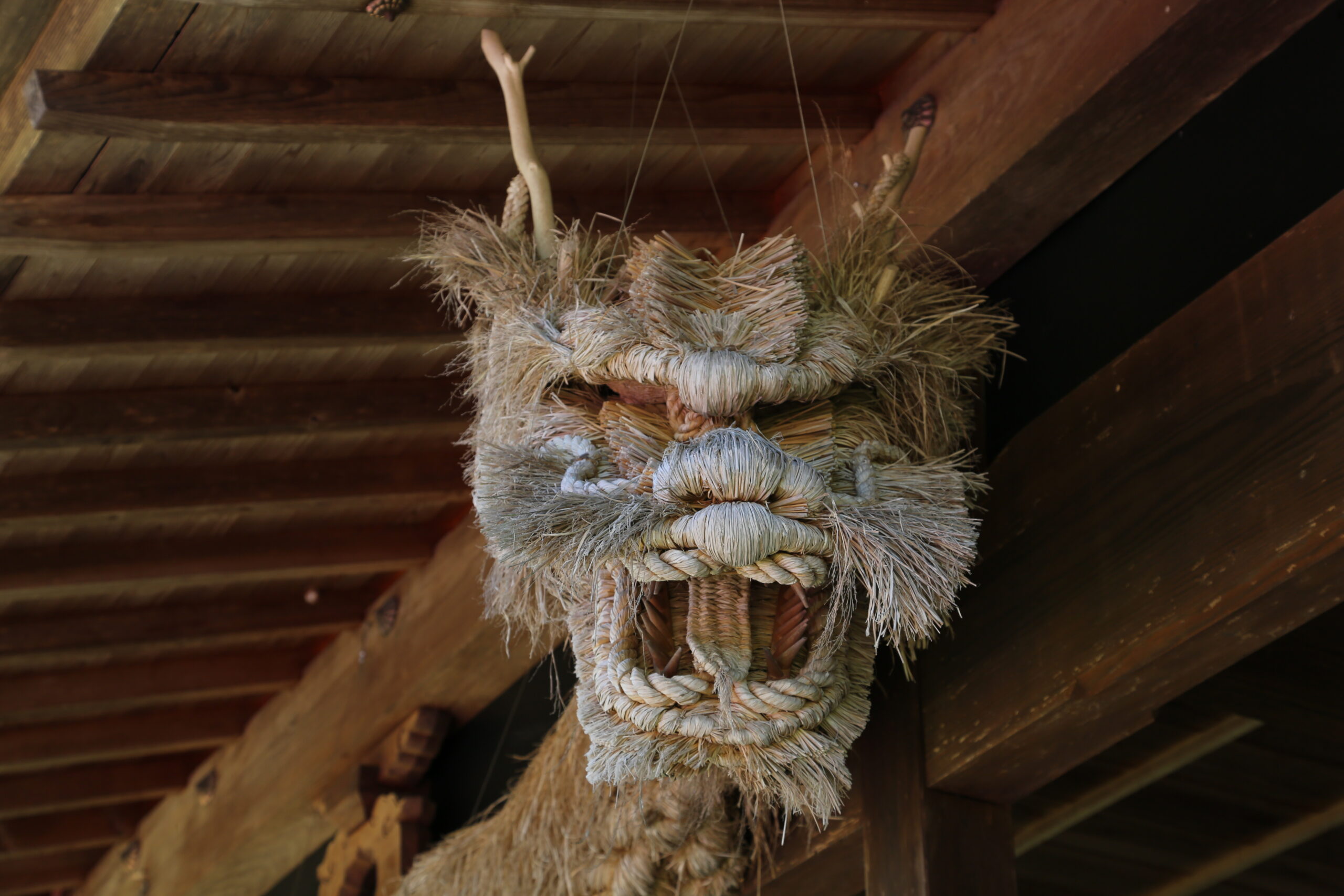
One such tradition is the creation of a straw dragon, a powerful symbol believed to bring rainfall.
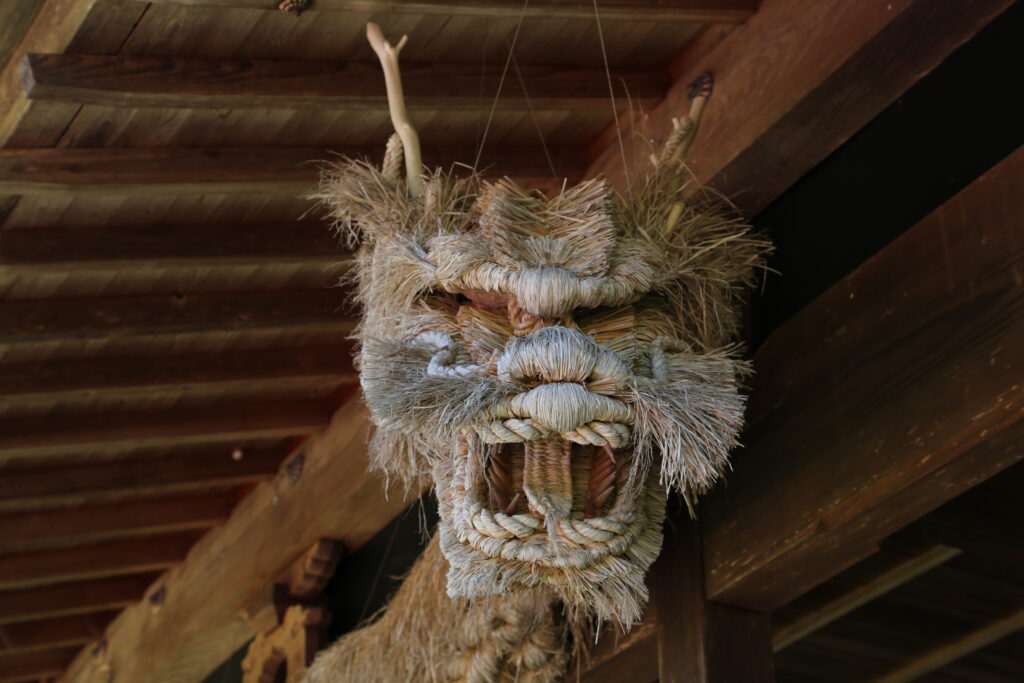
This dragon is made entirely from rice straw, carefully crafted by hand.
Its fierce expression represents strength and the power to call rain from the heavens.
Unlike decorative art, this dragon is part of a living tradition—deeply connected to agriculture and local belief.
■Section:The Meaning of the Straw Dragon
In Japanese folklore, dragons are associated with water—rivers, clouds, and rain.
By creating a dragon and carrying it into water, people symbolically invite rain to fall.
This ritual reflects a simple but powerful idea:
👉 Humans and nature are deeply connected.
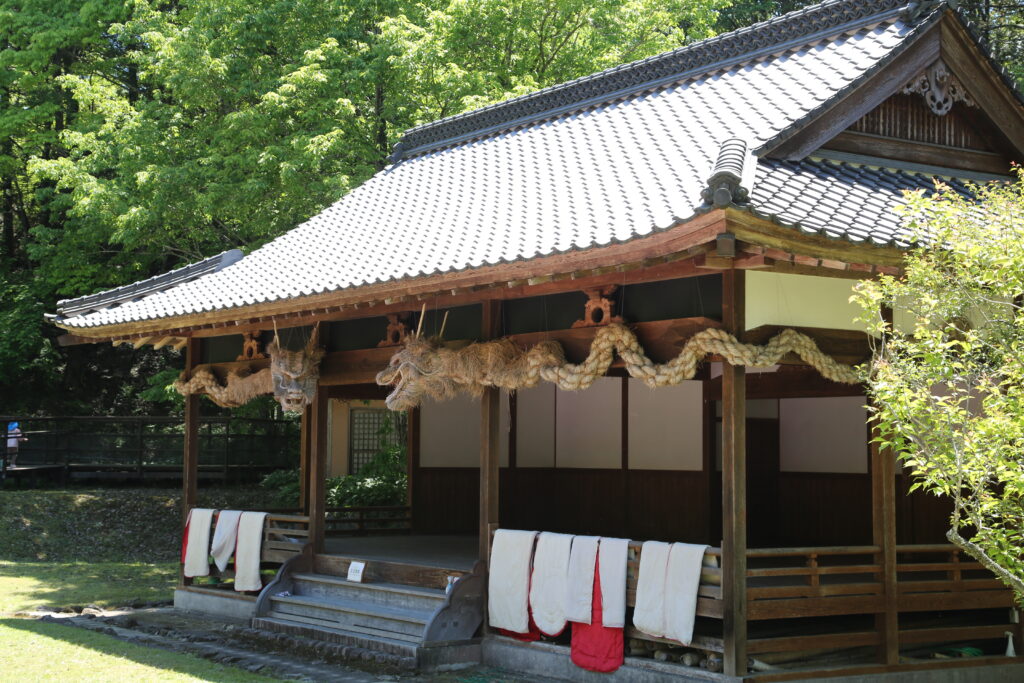
The straw dragon is displayed at a local shrine building.
Its long body stretches along the structure, as if guarding the space.
This setting is not a museum—it is part of everyday life in the countryside.
■Section:A Festival of Water and Prayer
During the annual ritual, villagers carry the straw dragon into a river or pond.
They splash water and celebrate together, asking for rain to nourish their fields.
It is both a sacred ceremony and a lively community event.
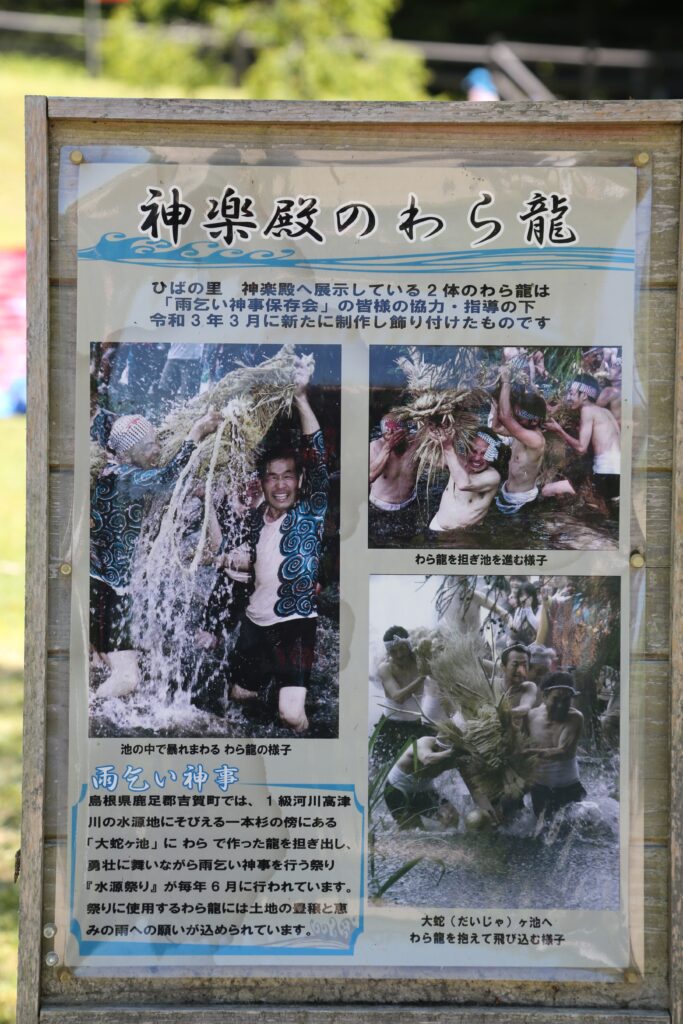
Even today, this tradition continues in some regions of Japan.
It reminds us of a time when people lived in harmony with nature, depending on rainfall for survival.
■Conclusion
The straw dragon may look simple, but it carries centuries of belief and tradition.
In modern Japan, where technology dominates daily life,
these rituals quietly preserve a deep respect for nature.
If you travel through rural Japan, you may discover traditions like this—
hidden, meaningful, and still alive.
Although it is no longer used in actual rain rituals, the straw dragon remains as a powerful symbol of Japan’s agricultural past.