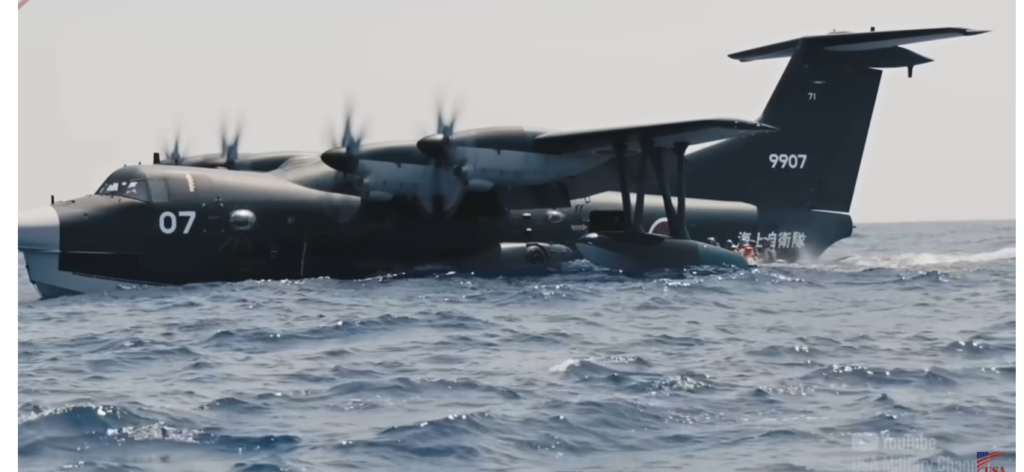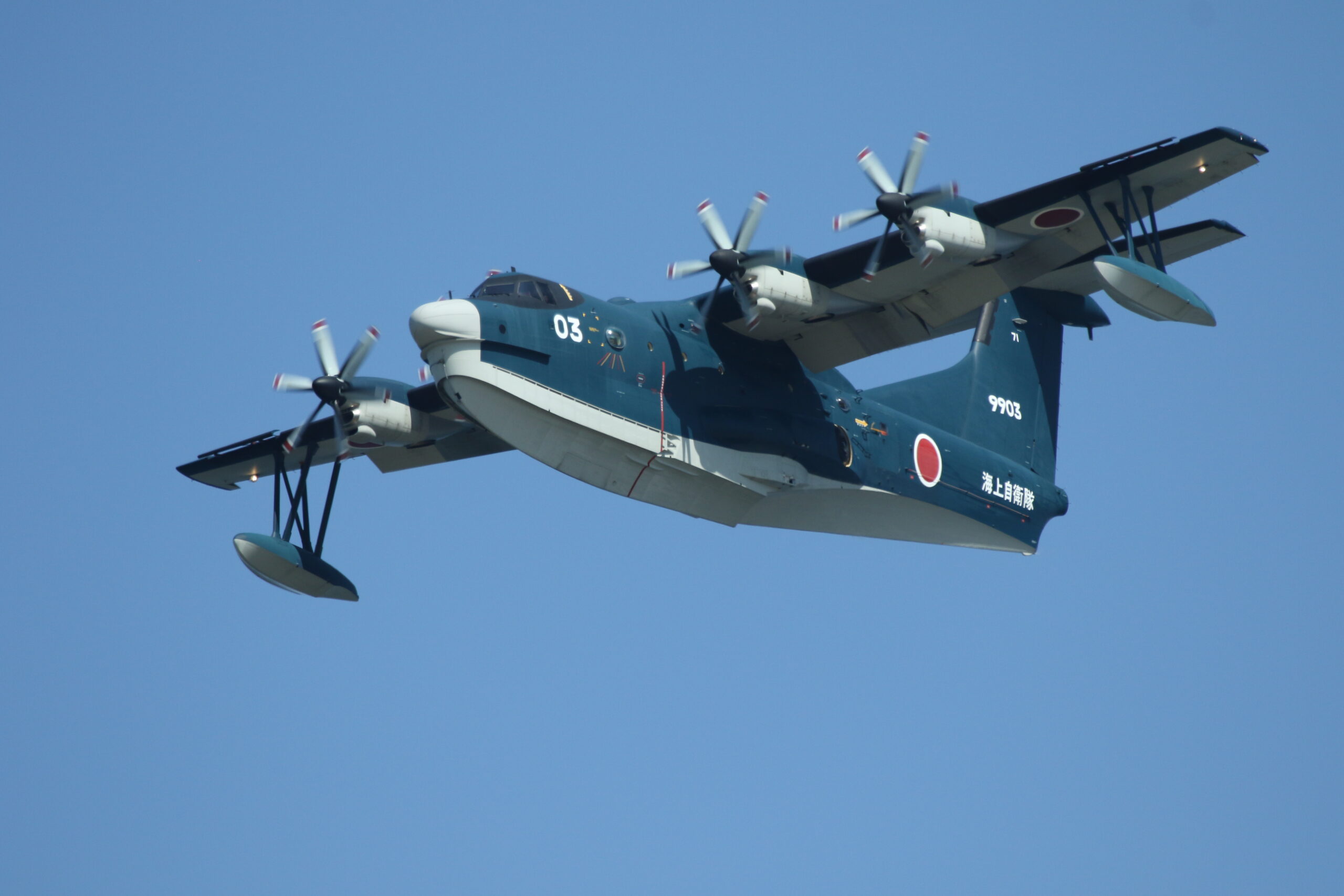
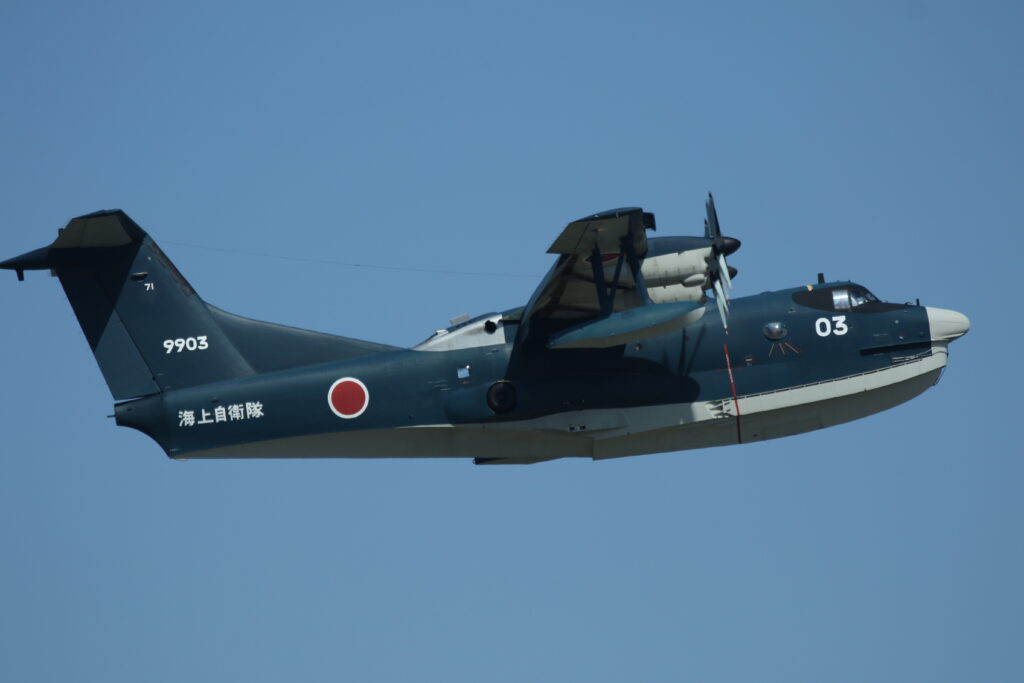
When you think of a plane, you probably imagine it taking off from a long, flat runway. But what if a plane could land in the middle of the stormy ocean, rescue someone from the waves, and then take off again like a bird?
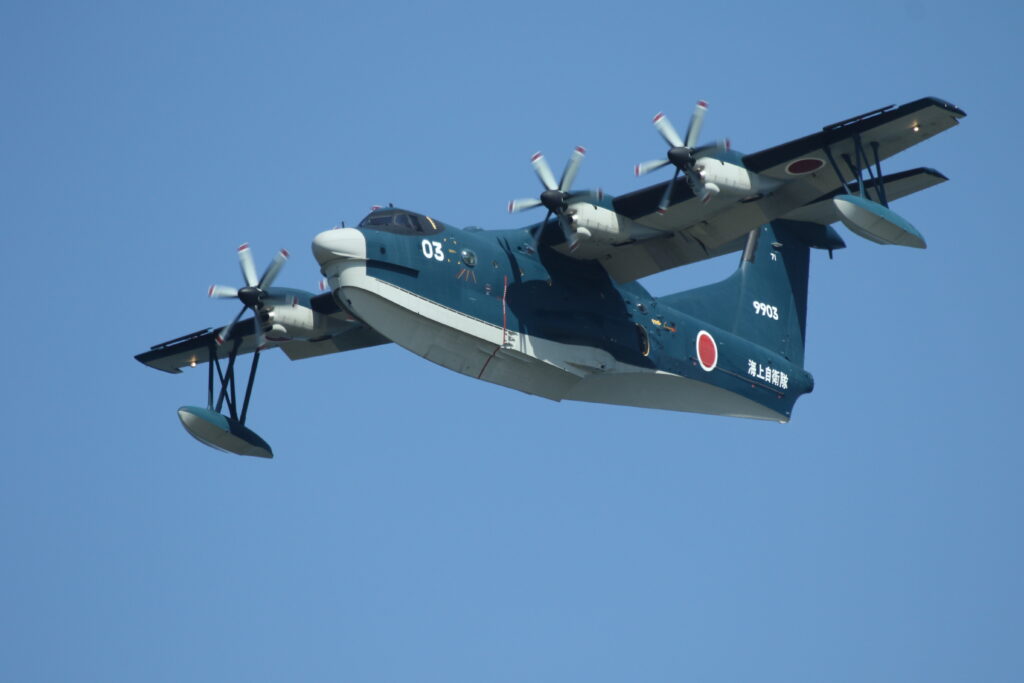
Meet the ShinMaywa US-2, a Japanese engineering marvel that is often called the “King of Flying Boats.” While it may look like a vintage aircraft from the outside, it is packed with cutting-edge technology that makes it one of a kind.
From “Old School” to “High-Tech Giant”
The US-2 is the successor to the legendary US-1A. While they look similar, the US-2 received a massive “digital brain transplant” that changed everything. Here are the three game-changing upgrades:
1. The Digital Cockpit (Glass Cockpit)
Gone are the hundreds of tiny, confusing analog dials. The US-2 features a modern “Glass Cockpit” with large LCD screens. Just like switching from an old chunky TV to a modern smartphone, this allows pilots to see critical information clearly, even during dangerous night rescues or heavy storms.
2. Fly-By-Wire (Computer-Aided Flying)
Landing on the ocean isn’t like landing on concrete; the water is constantly moving. The US-2 uses a Fly-By-Wire system, meaning a computer helps the pilot control the plane’s movements. This makes the aircraft incredibly stable, allowing it to fly at surprisingly slow speeds—about the speed of a car on a highway—to land safely between high waves.
3. A Pressurized Cabin (Flying High and Fast)
The older models couldn’t fly very high because the air gets too thin for people to breathe comfortably. The US-2, however, has a pressurized cabin. This allows it to fly high above the clouds where the air is smooth, reaching rescue scenes much faster than before. It also means injured people being rescued can stay comfortable and safe at high altitudes.
Why the World is Watching
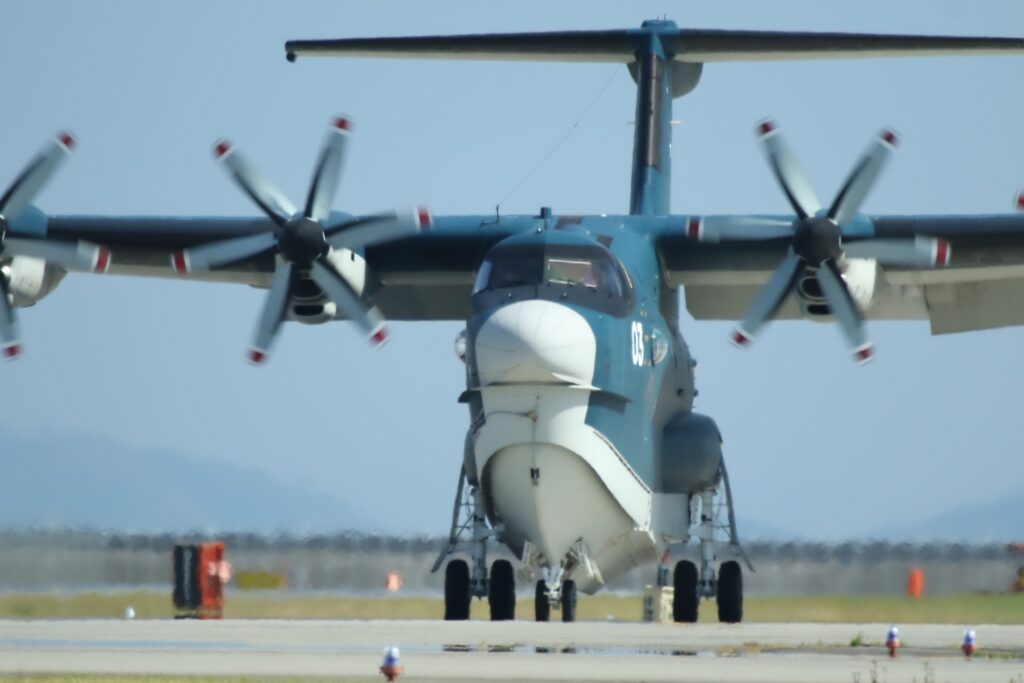
The US-2 is the only plane in the world that can land and take off in waves as high as 3 meters (nearly 10 feet). For countries with vast oceans, this isn’t just a plane; it’s a life-saver.
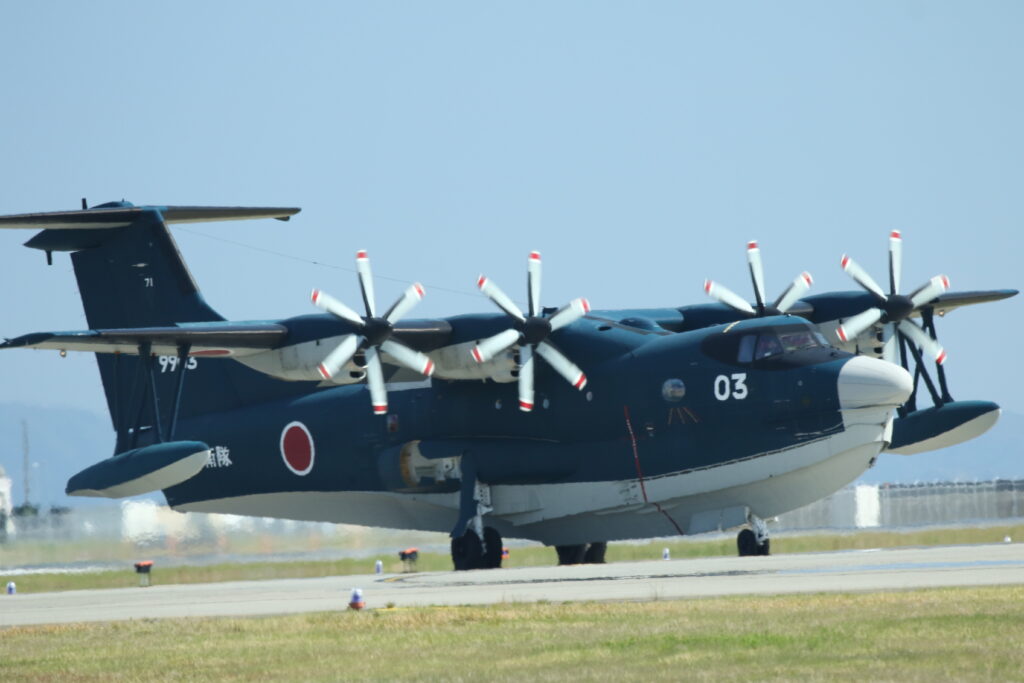
It combines the strength of a ship with the speed of a jet. While it’s an expensive piece of machinery, its ability to save lives where no other craft can go makes it a true masterpiece of Japanese “Monozukuri” (craftsmanship).