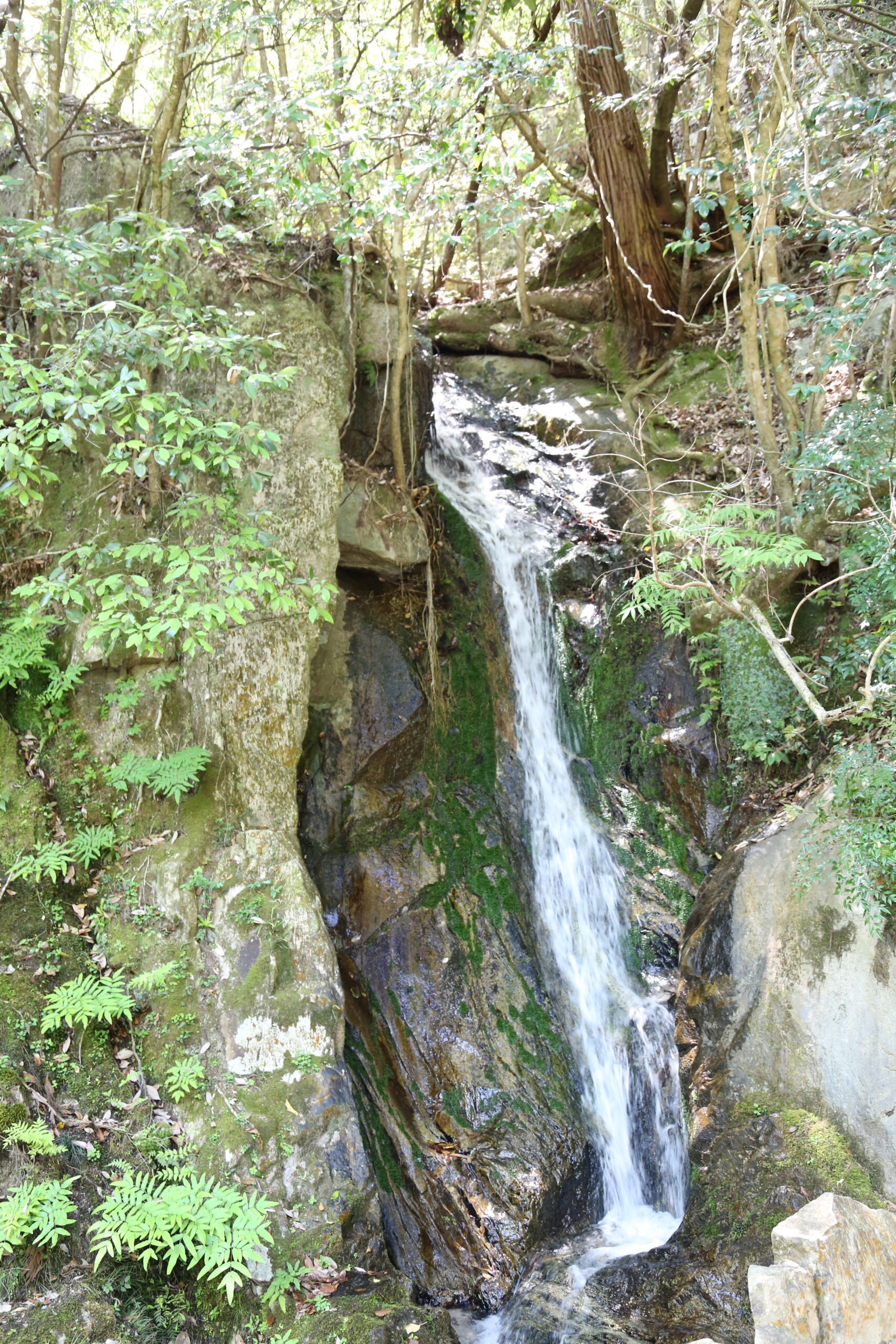
At Mitaki-dera Temple in Hiroshima, the name “Mitaki” literally means “Three Waterfalls.”
Visitors walk past three sacred falls along the temple approach, each associated with a Buddhist meaning and marked by an inscribed stone monument.
1. 幽明之瀧 — Yūmei no Taki
(“Waterfall of the Seen and Unseen Worlds”)
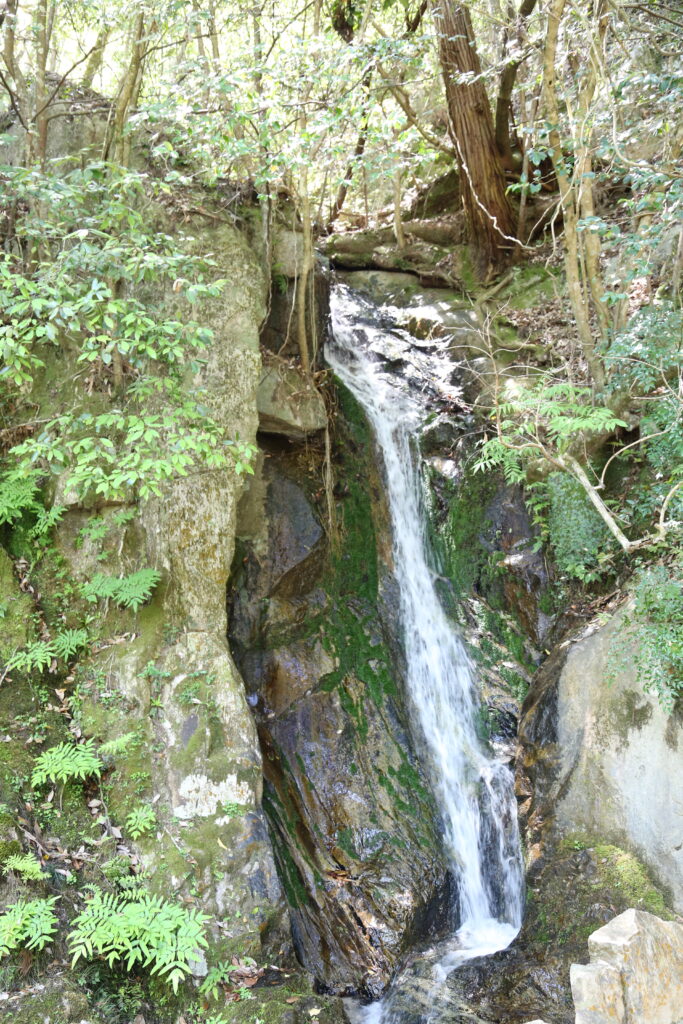
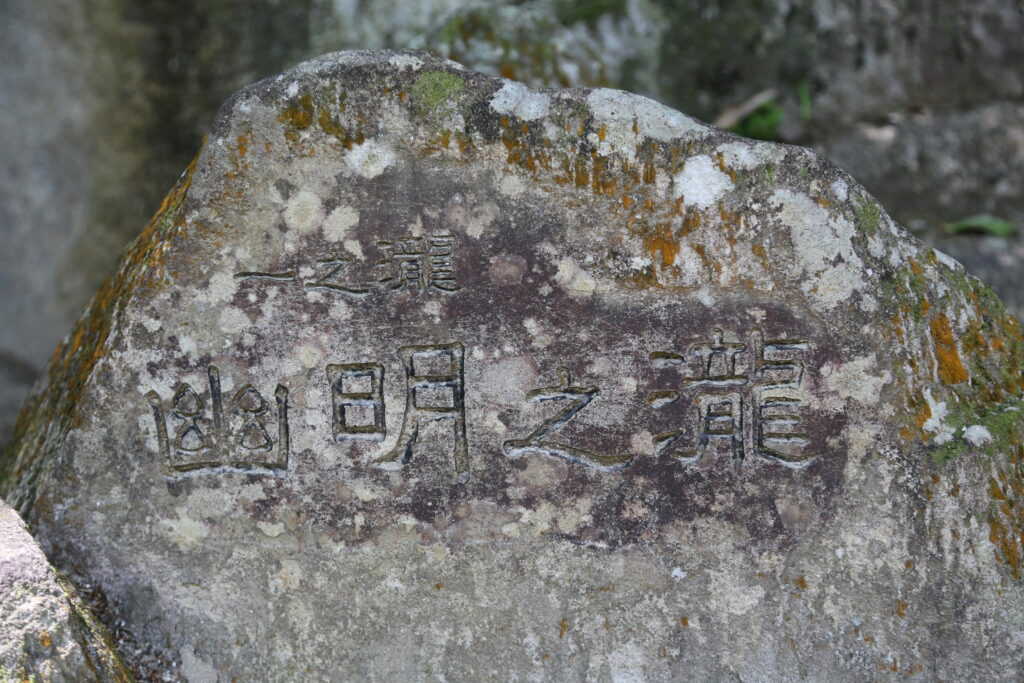
This is the First Waterfall of Mitaki-dera.
The name Yūmei refers to the boundary between the visible world and the spiritual world. In Buddhist thought, it symbolizes the connection between everyday human life and the realm beyond death and enlightenment.
The waterfall invites visitors to calm their minds and reflect on the impermanence of life before proceeding deeper into the temple grounds.
2. 梵音之瀧 — Bon’on no Taki
(“Waterfall of Sacred Brahma Sounds”)
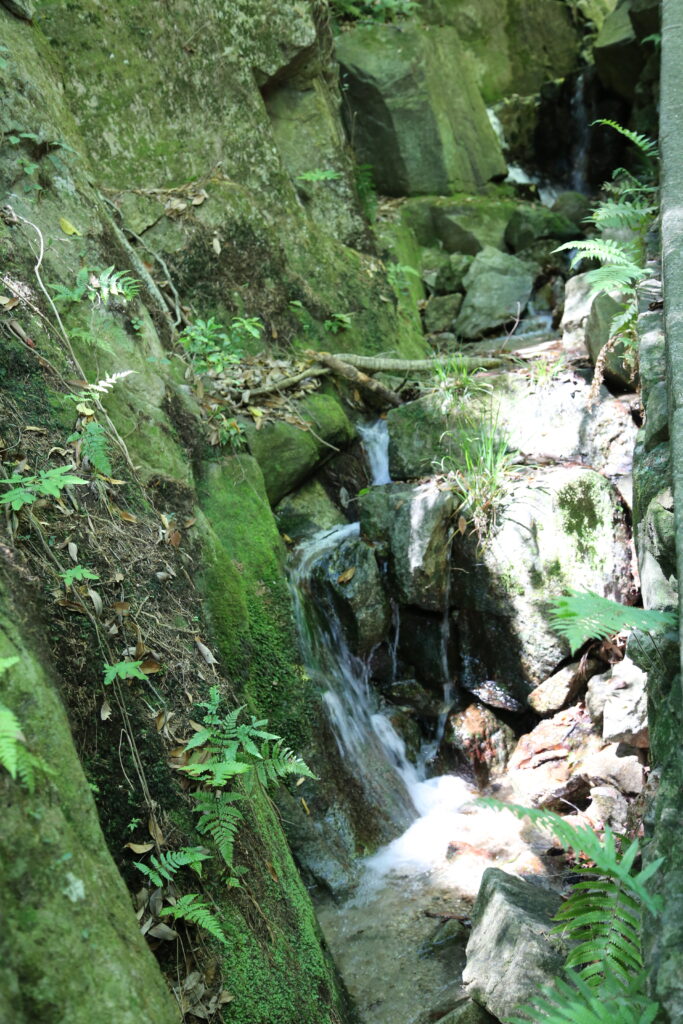
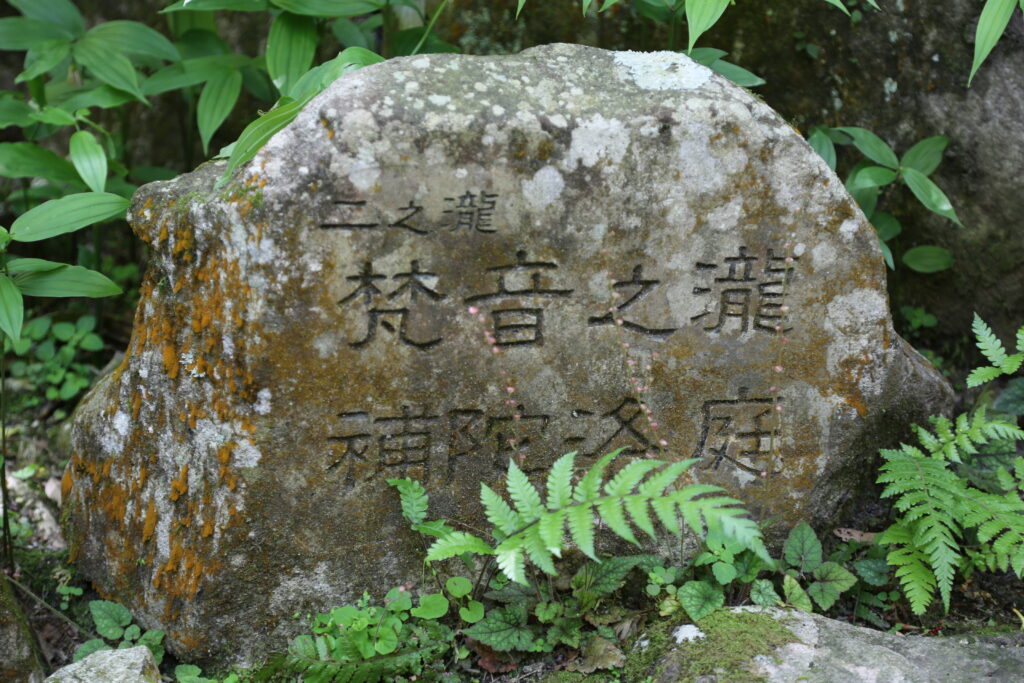
This is the Second Waterfall of Mitaki-dera.
The word Bon’on means “sacred sound” or “Brahma’s voice,” referring to the pure sound of Buddhist teachings spreading throughout the universe.
The sound of falling water here is traditionally understood as resembling the chanting of sutras. The waterfall represents spiritual purification and the transmission of Buddhist wisdom.
3. 駒ヶ瀧 — Komaga-taki
(“Horse-Colt Waterfall”)
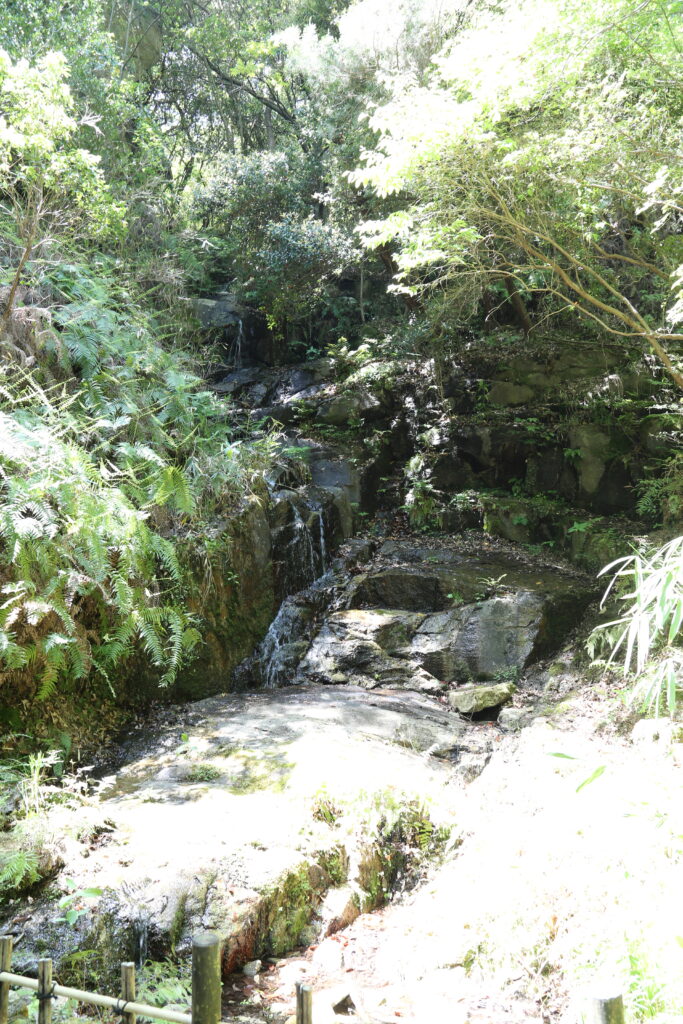
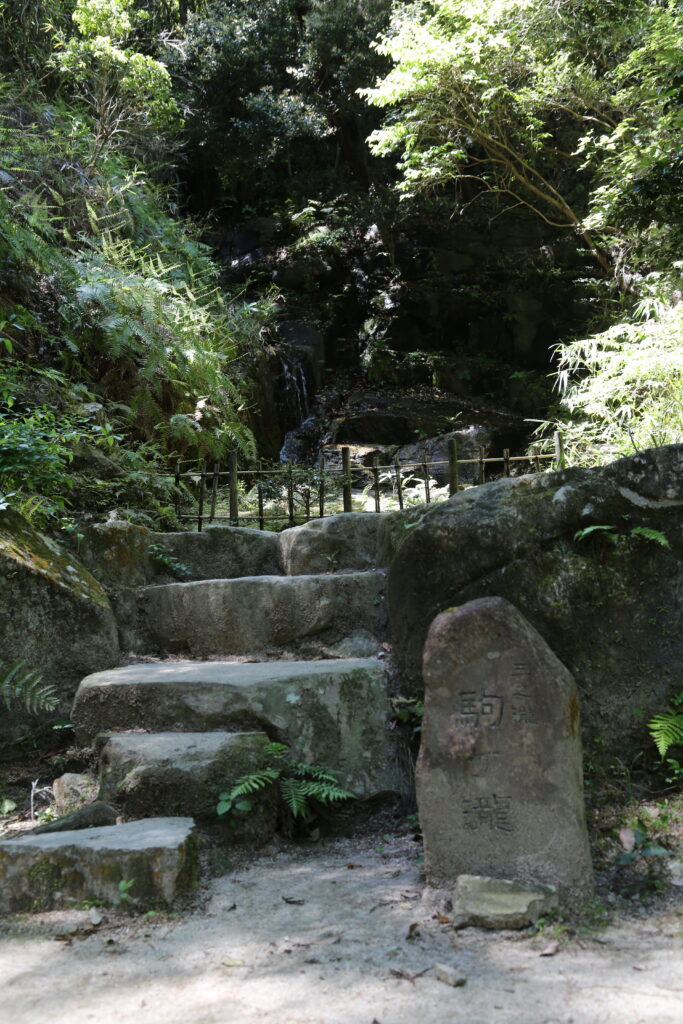
This is the Third Waterfall of Mitaki-dera.
The name Komaga (“young horse” or “colt”) is believed to come from local legends or the shape and movement of the waterfall.
Surrounded by deep forest and stone paths, this waterfall creates a quiet and secluded atmosphere. It symbolizes vitality, natural strength, and the harmony between nature and spiritual practice.
Short Version for a Sign or Guide
The Three Waterfalls of Mitaki-dera
- Yūmei no Taki — symbolizes the connection between the visible and spiritual worlds.
- Bon’on no Taki — represents the sacred sound of Buddhist teachings.
- Komaga-taki — symbolizes the vitality and natural power of the mountain landscape.
Together, these three waterfalls give Mitaki-dera Temple its name and create the temple’s sacred atmosphere.