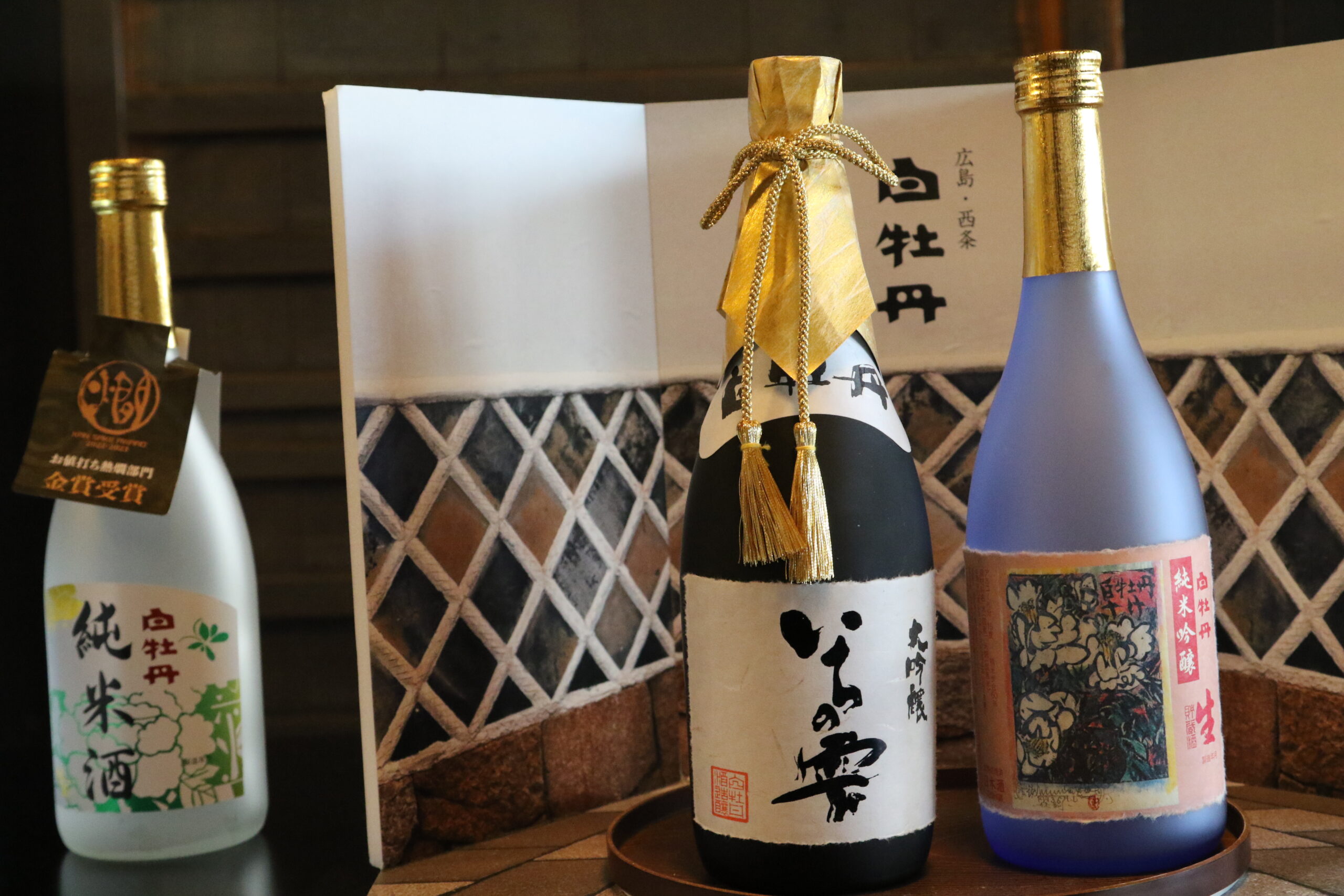
The First Thing You Notice Is the Label
When you pick up a bottle of sake,
you probably don’t read the words first.
You look.
For many people outside Japan, the label is the only thing they understand —
and Japanese breweries know that.
Sake Labels Don’t Explain. They Express.
Unlike wine labels, sake labels rarely describe flavor.
Instead, they express:
- Philosophy
- History
- Respect for tradition
This makes the bottle feel less like a product,
and more like a statement.
When One Label Is Many Faces
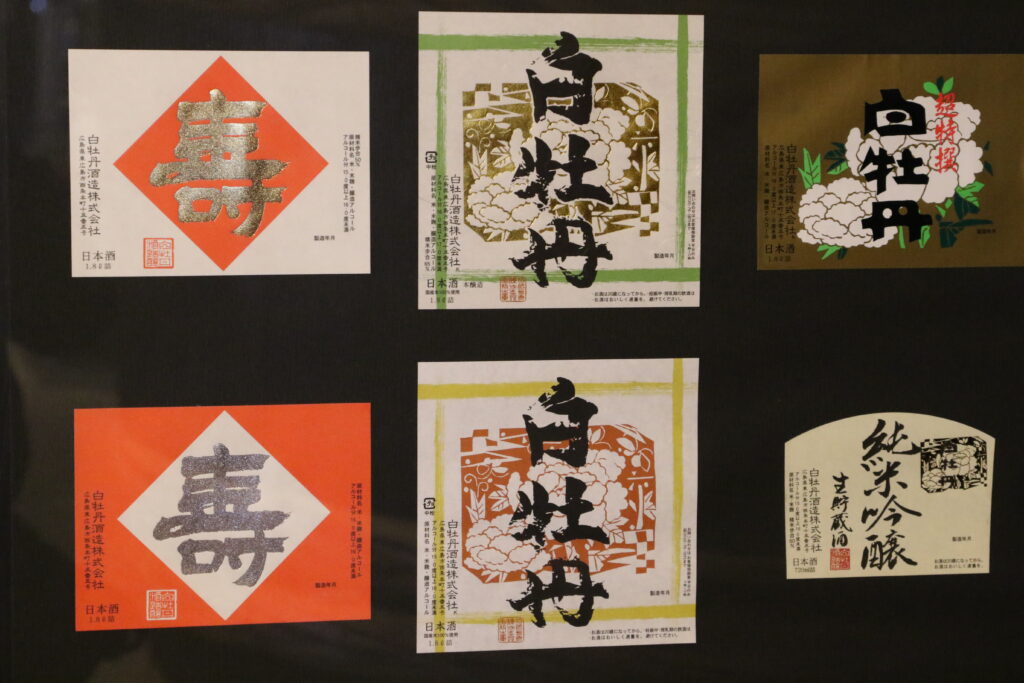
Even within one brewery, labels can change completely.
Some are minimal.
Some are bold.
Some feel playful, others solemn.
Each one represents a different idea of the same sake —
not different marketing targets.
A Label Designed by a Real Artist
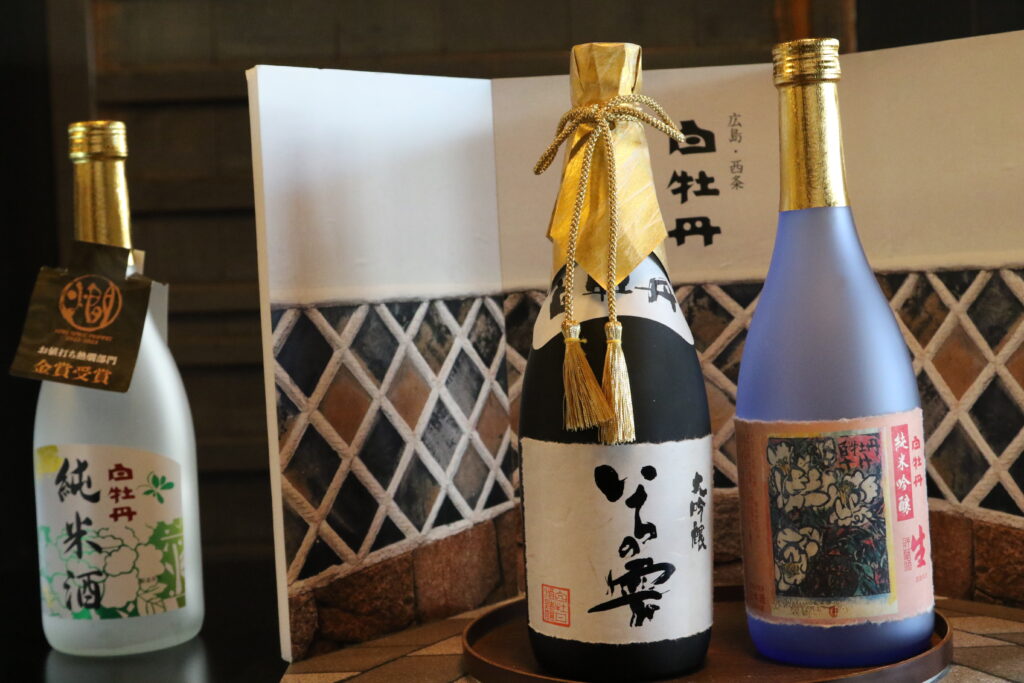
In some cases, breweries go even further.
They collaborate with real artists,
not to modernize sake, but to connect it to a deeper cultural layer.
One famous example is the work of 棟方志功.
Munakata Shiko: Art Meant for the People
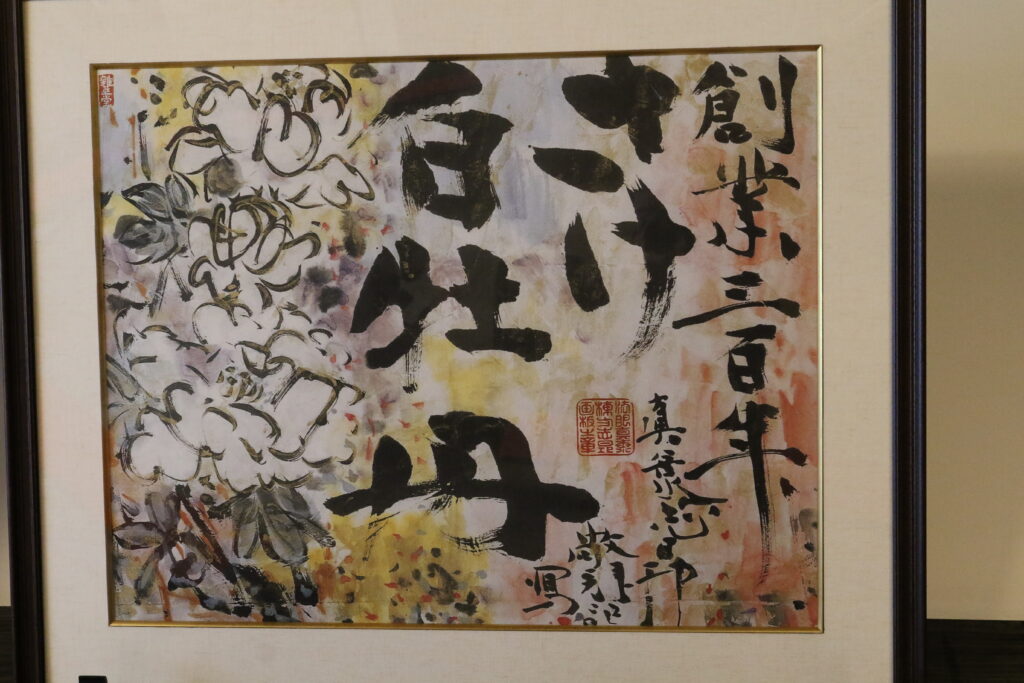
Munakata believed art should not be locked away in museums.
It should live with people.
That idea fits sake perfectly.
Sake is not luxury wine.
It’s a daily companion — for meals, celebrations, and quiet moments.
Putting Munakata’s work on a bottle is not decoration.
It’s philosophy.
When the Label Becomes Part of the Experience
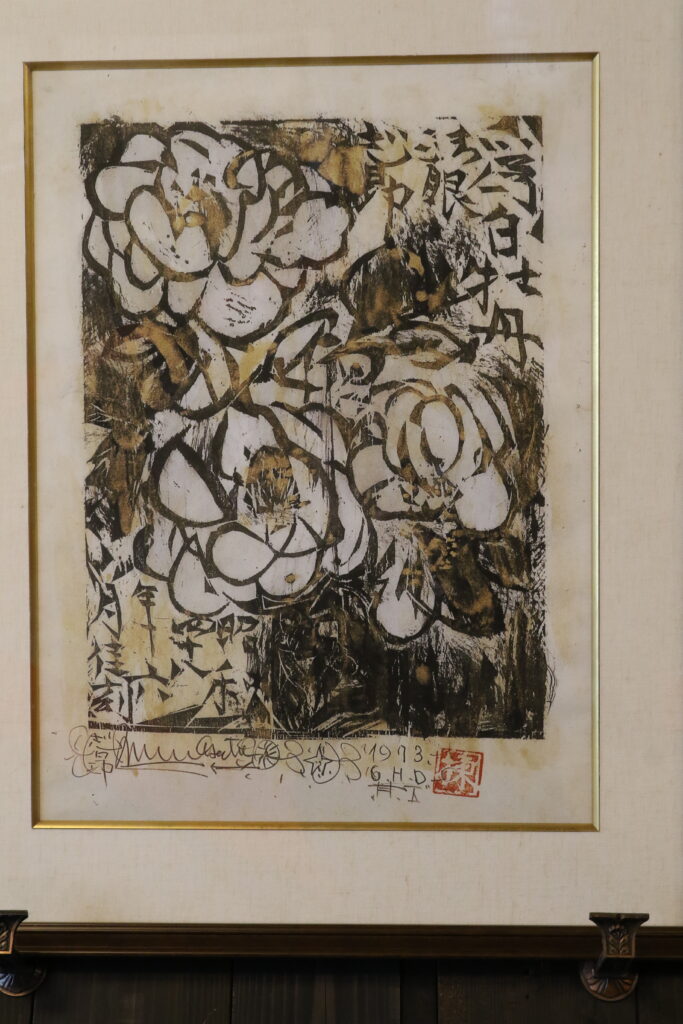
Drinking sake with this label means you are not only tasting alcohol.
You are touching:
- Japanese aesthetics
- Regional identity
- A shared cultural memory
Even if you never read the kanji,
you still feel something.
And that is exactly the point.
You Don’t Need to Understand the Words
You don’t need to know the artist’s name.
You don’t need to understand the label.
If the bottle made you pause —
then it worked.
That’s how sake labels speak to the world.