Once a year in Japan, people throw beans at a creature called “Oni” to chase away bad luck and welcome good fortune.
Once a year in Japan, people throw beans at a creature called “Oni” to chase away bad luck and welcome good fortune.
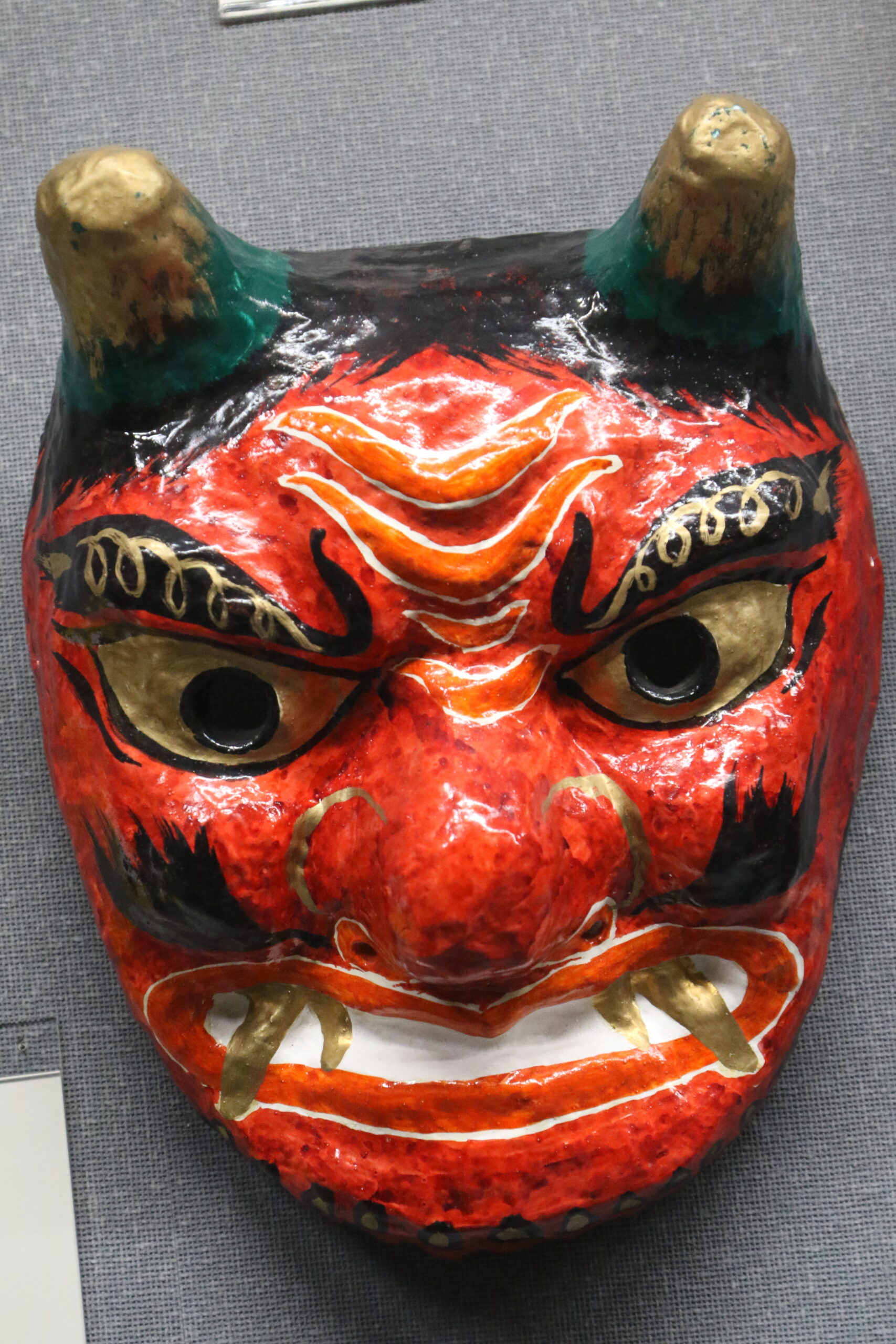
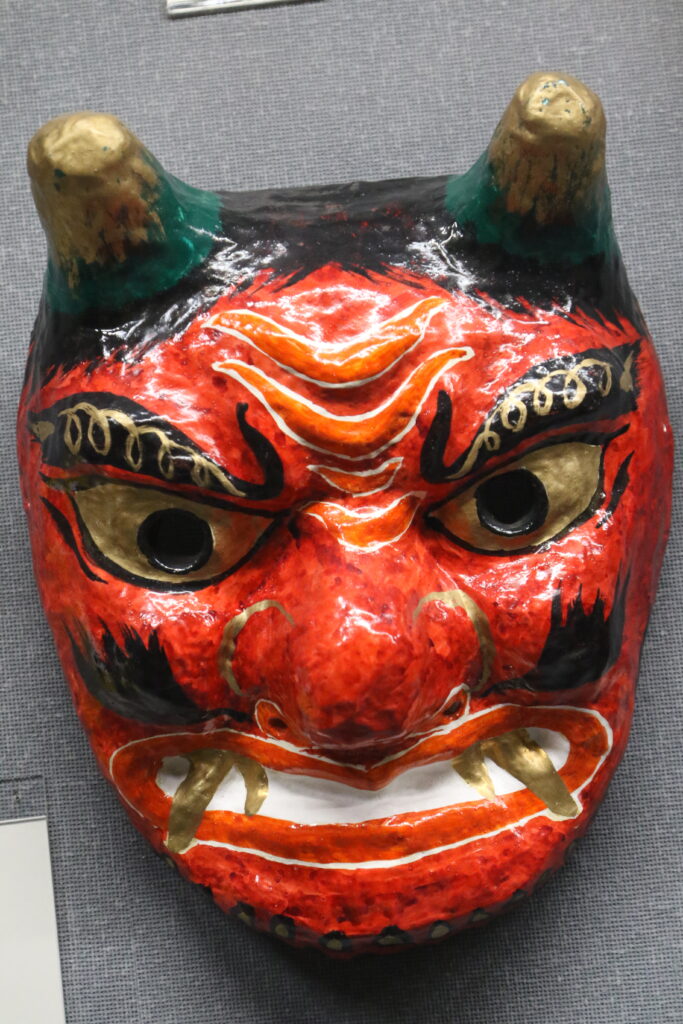
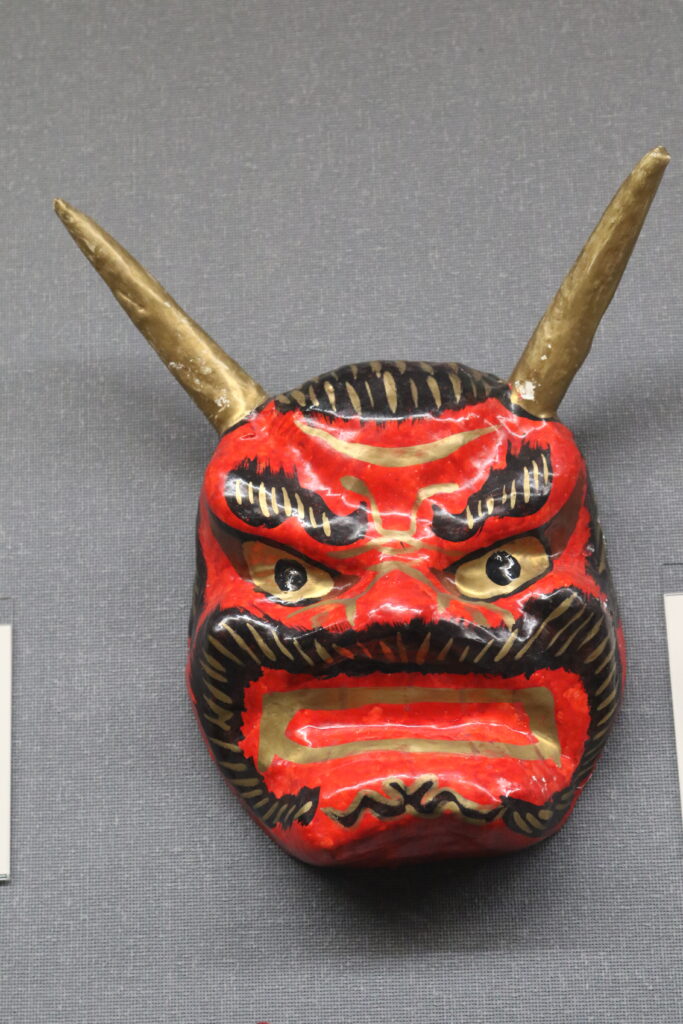
If you have never seen an Oni before, it may look frightening at first. Bright red or blue skin, sharp horns, wild hair, and a fierce expression — it resembles a monster from a fantasy story. However, in Japan, the Oni plays a unique and symbolic role in a seasonal tradition known as Setsubun.
Setsubun is held at the beginning of February and marks the transition from winter to spring according to the traditional calendar. In Japanese culture, seasonal changes were believed to be times when misfortune and illness could enter the home. To prevent this, people perform a ritual called mamemaki, or “bean throwing.”
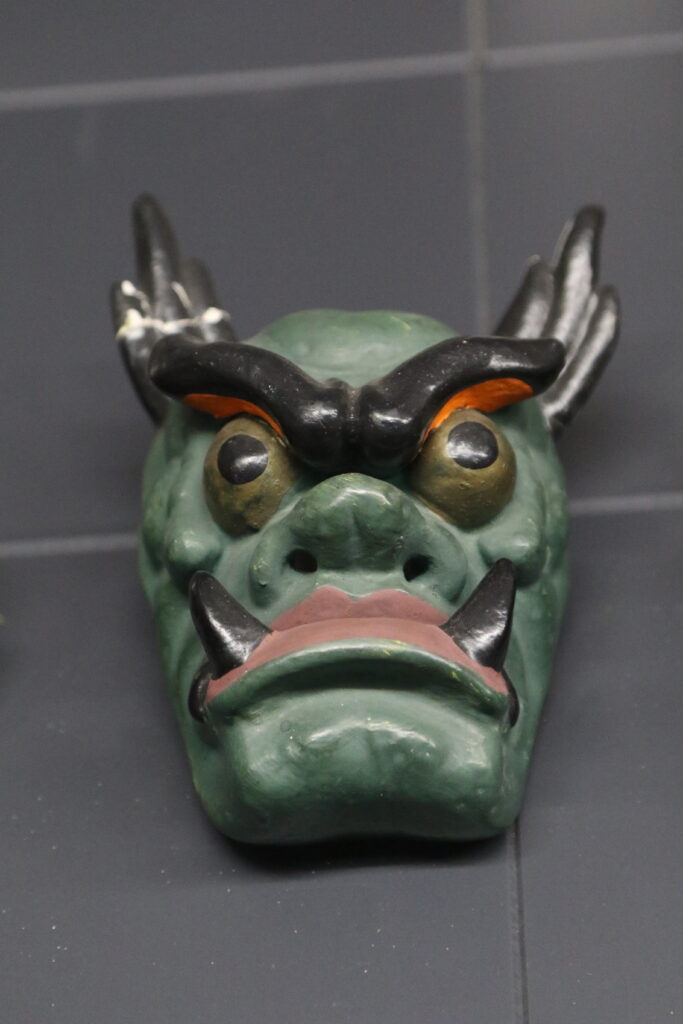
During mamemaki, roasted soybeans are thrown while shouting “Oni wa soto! Fuku wa uchi!” which means “Demons out! Good fortune in!” The Oni represents bad luck, misfortune, and negative influences. By symbolically driving the Oni away, people hope to protect their homes and invite happiness for the coming season.
Unlike demons in many Western stories, Oni are not purely evil beings. They are part of folklore and are often portrayed with humor, especially during festivals. In many households and events, someone wears an Oni mask and plays the role of the creature being chased out, making the ritual fun and memorable, especially for children.
Today, Setsubun is celebrated in homes, schools, and temples across Japan. While the ritual is simple, it reflects a deep cultural idea: acknowledging negativity, facing it directly, and then letting it go as a new season begins.
So the next time you see a photo of a red “monster” being pelted with beans, remember — it is not an act of fear, but a joyful tradition of renewal, hope, and good fortune.
What makes Setsubun especially Japanese is how ordinary and playful it is.
This is not a grand religious ceremony led by priests, nor a public holiday filled with strict rules. Instead, it is something families do at home, often with laughter. Parents wear Oni masks, children throw beans with excitement, and everyone shares the same simple wish — to leave bad luck behind and start the new season on a positive note.
In many cultures, rituals to drive away misfortune can feel serious or intimidating. Setsubun, however, turns the idea into something lighthearted and accessible. The “monster” is not feared; it is invited, confronted, and gently sent away. Even the act of throwing beans carries warmth rather than aggression.
This balance of symbolism and everyday life is deeply Japanese. Serious ideas are expressed through small, human actions. Tradition survives not because it is enforced, but because it is enjoyable and easy to share across generations.
So when you see an Oni being chased out with beans, you are not just witnessing a strange festival. You are seeing how Japan transforms ancient beliefs into a quiet, joyful moment — one that welcomes change, celebrates family, and looks forward to good fortune ahead.