Clay Figures, Spirits, and the Japanese Sense of “Too Real”
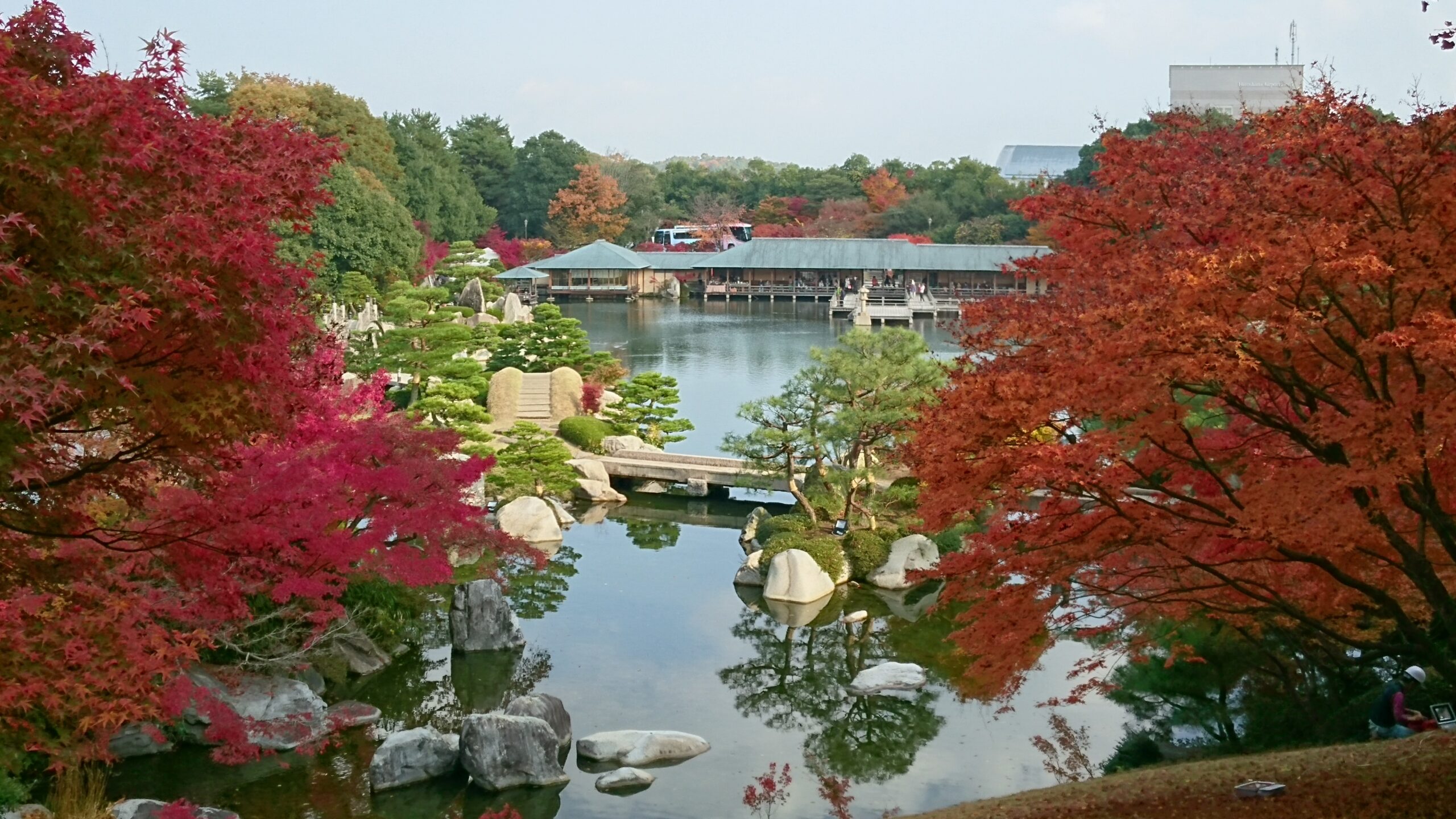
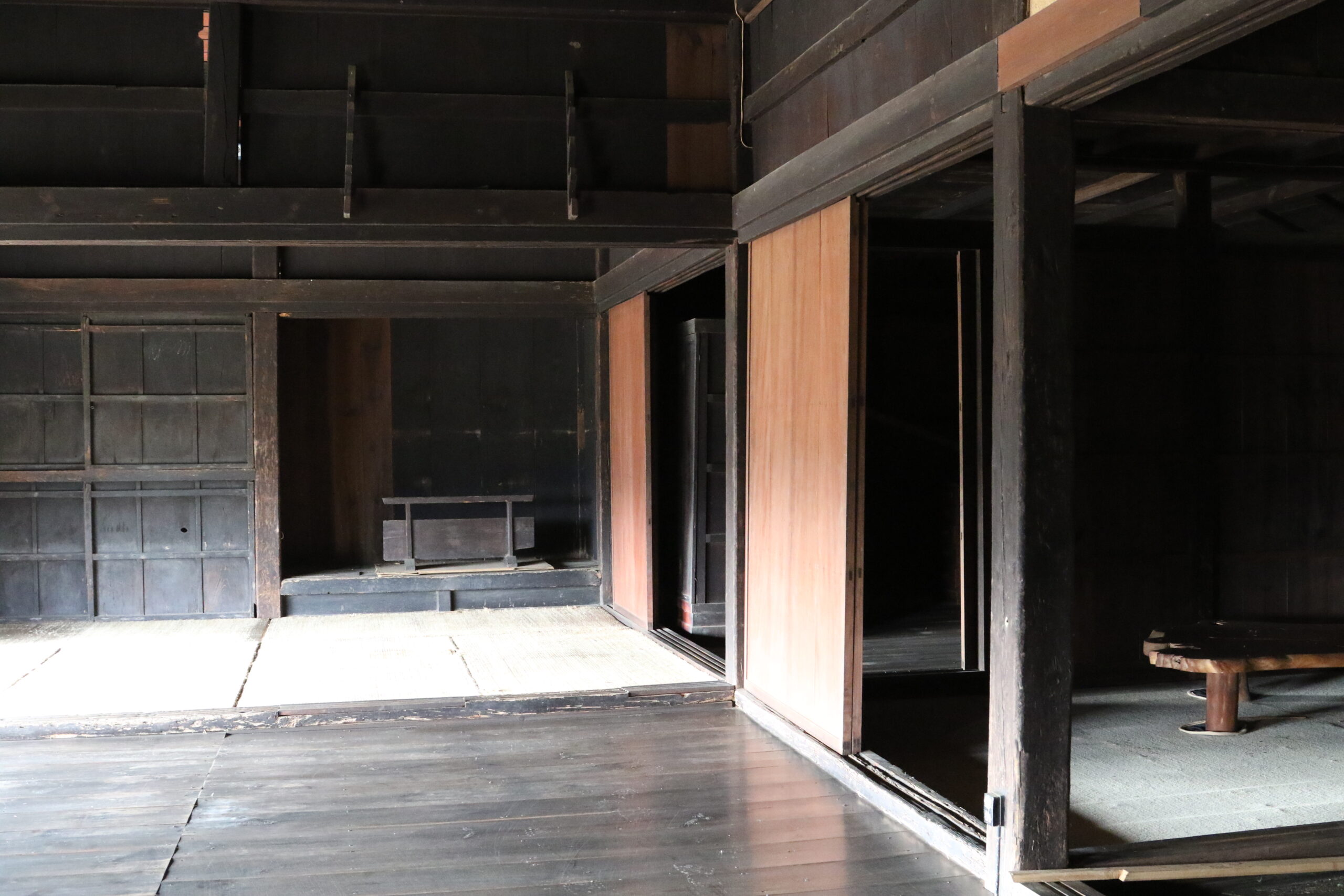
These objects come from museums in Miyoshi City, Hiroshima, an area deeply associated with Japanese folklore and yōkai culture, including the Miyoshi Mononoke Museum.
At first glance, they may seem unrelated:
ancient clay figures from prehistoric Japan and later sculptural representations of yōkai (supernatural beings).
Yet they share a quiet and important idea that runs through Japanese culture.
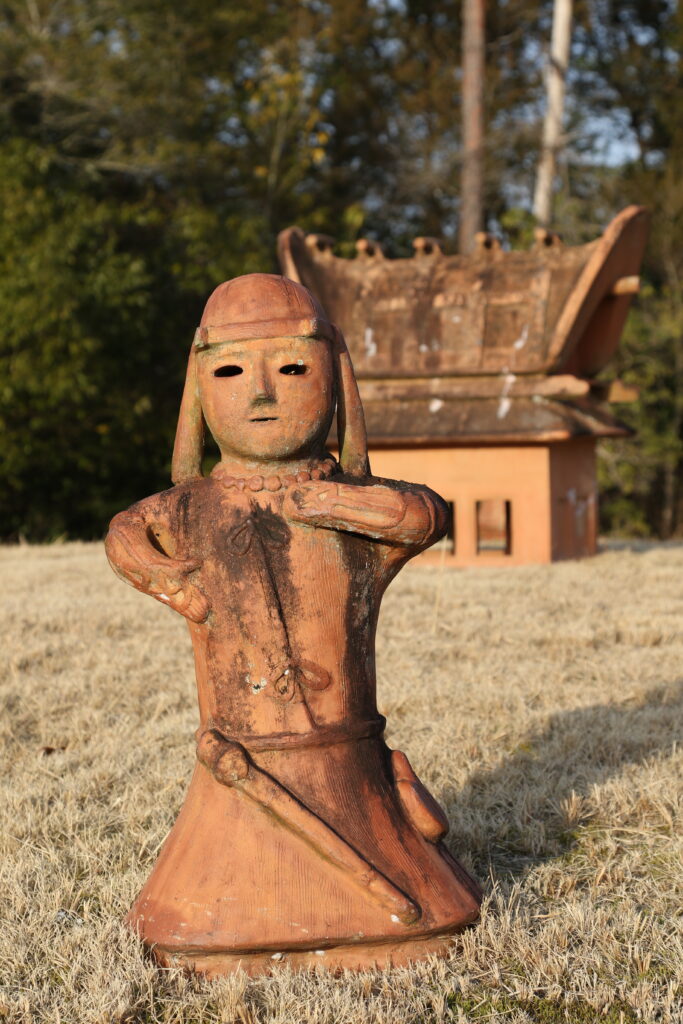
Not Everything Should Be Fully Real
In Japan, there has long been a belief that giving something too complete a form may invite a spirit to enter it.
For this reason, early representations of beings—human, divine, or supernatural—were often:
- simplified
- incomplete
- expressionless
- slightly “unfinished”
This was not due to lack of skill.
It was intentional restraint.
Ancient Clay Figures: Presence Without Awakening
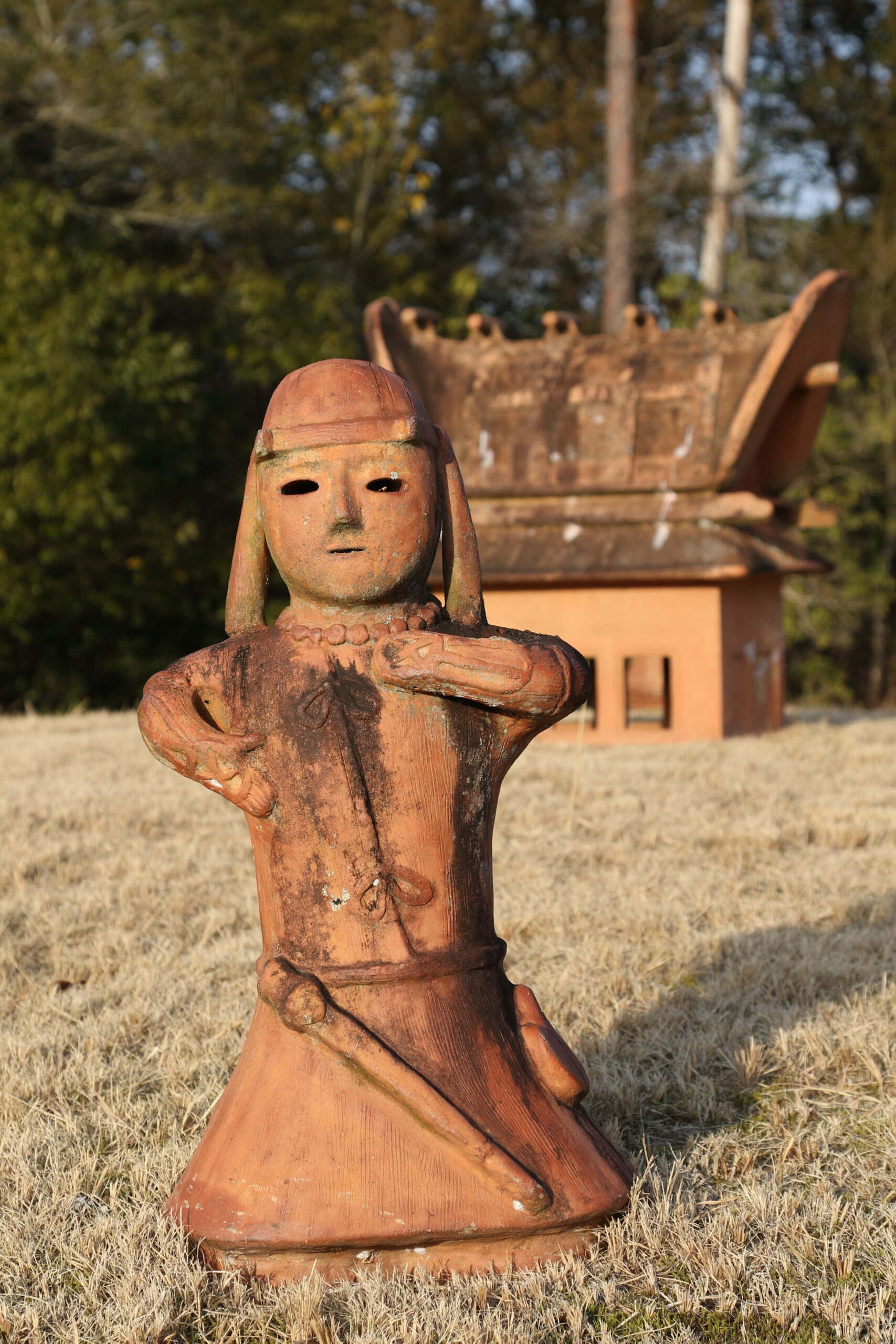
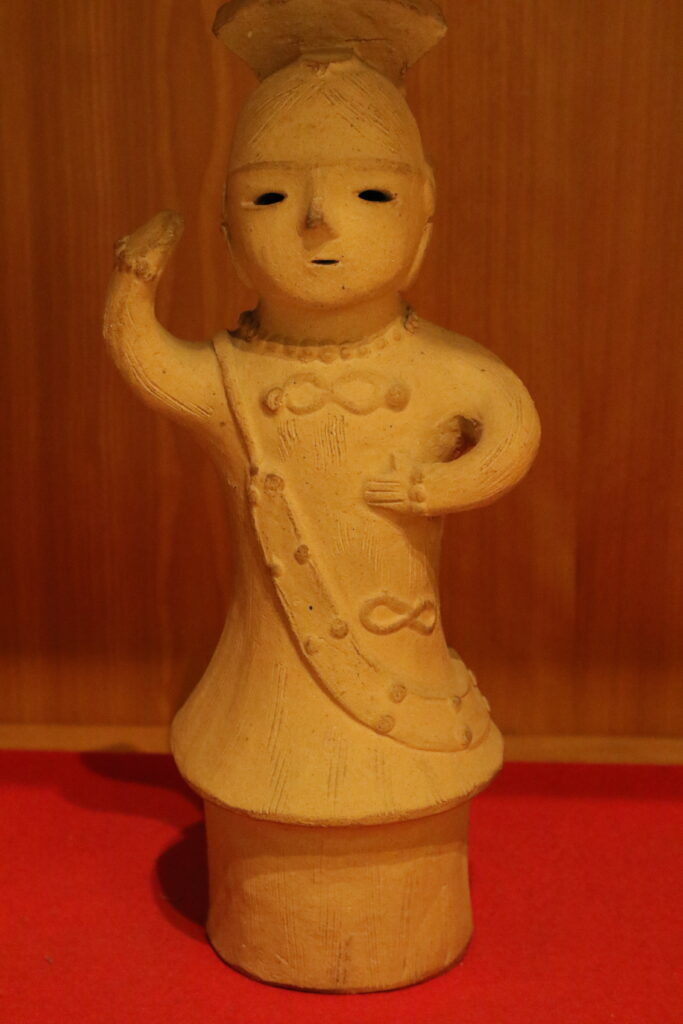
The prehistoric clay figures (often called dogū) are clearly human-like, yet unmistakably distant from real people.
Notice how they:
- lack detailed facial expressions
- have hollow or unfocused eyes
- exaggerate form while avoiding realism
They suggest presence without fully becoming a person.
Many scholars believe these figures were not meant to represent individuals, but rather states of being, prayers, or symbolic stand-ins—forms that stop just short of becoming alive.
This restraint mattered.
Yōkai: When Images Were Safer Than Bodies
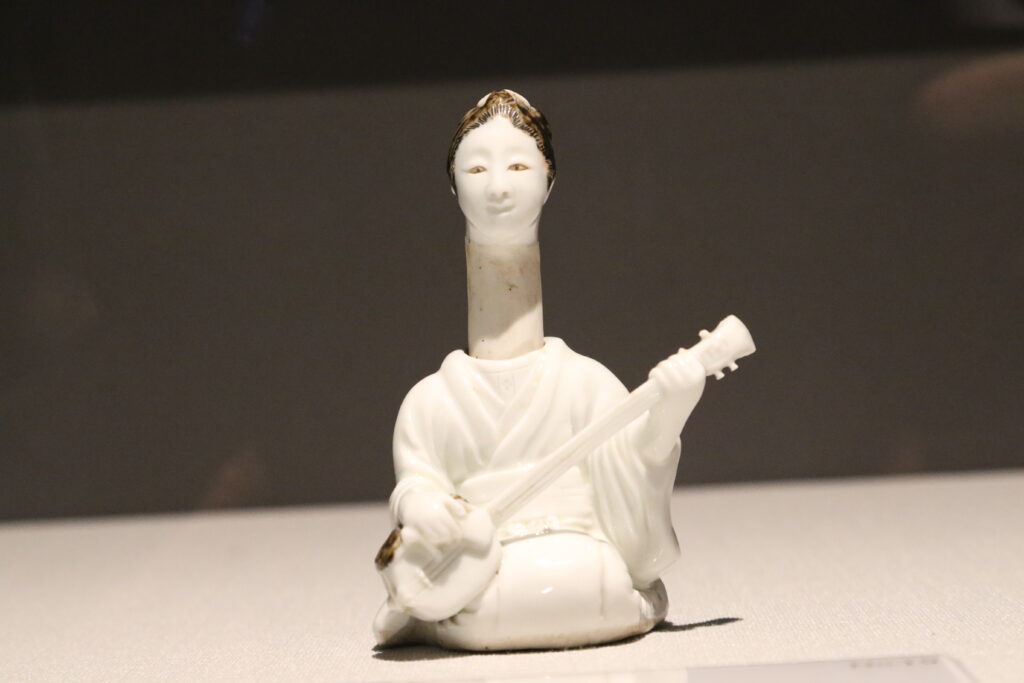
Centuries later, yōkai were treated in a similar way.
Rather than being carved as realistic statues, they were most often described through:
- stories
- shadows
- rumors
- paintings and scrolls
A yōkai that was spoken of or drawn remained controllable.
A yōkai given a convincing three-dimensional body risked becoming something else.
This is why fully sculpted yōkai appeared much later—and even then, often with exaggerated or playful features rather than realism.
The Shared Boundary
These clay figures and yōkai sculptures belong to different eras, but they sit on the same cultural boundary:
They are real enough to acknowledge,but not real enough to awaken.
This way of thinking also explains why, even today in Japan:
- dolls are ritually memorialized
- old tools are thanked before disposal
- objects are treated as if they remember human touch
Form creates responsibility.
Why Miyoshi Matters
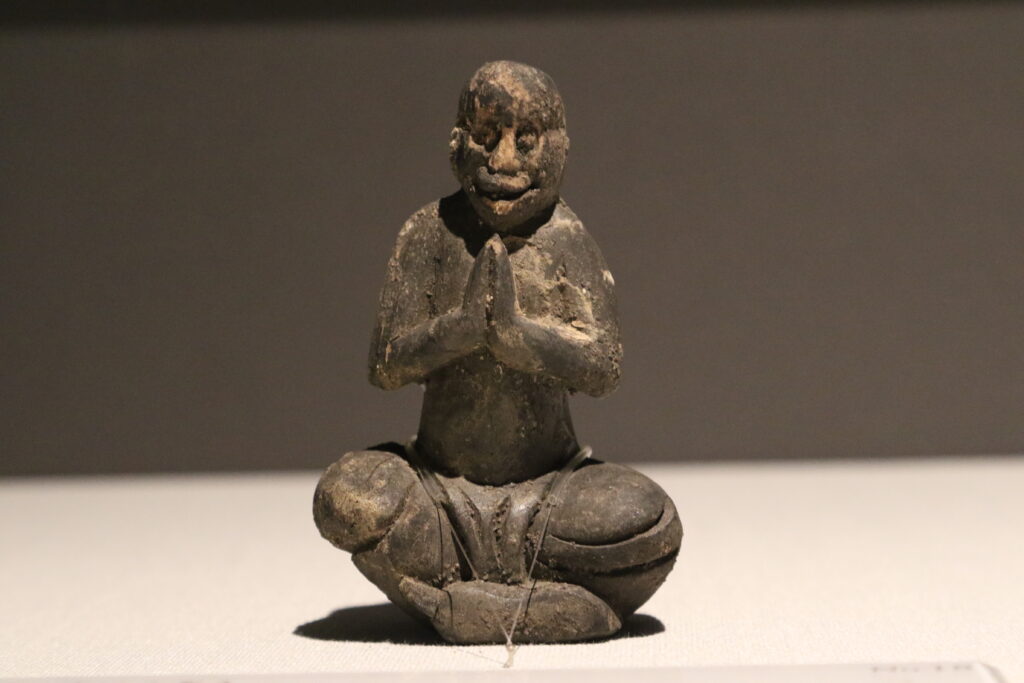
Miyoshi is known as one of Japan’s richest regions for yōkai folklore.
By placing ancient clay figures and yōkai representations side by side, its museums quietly reveal something deeper than monsters or myths.
They show how Japanese culture has long asked the same question:
How close can something come to life—before it should stop?
A Different Way of Seeing
For visitors from outside Japan, these objects offer a key insight:
In Japan, imagination is powerful,
but completion is dangerous.
Sometimes, it is the unfinished form that keeps the world in balance.