Stone, Iron, and the Journey Beyond
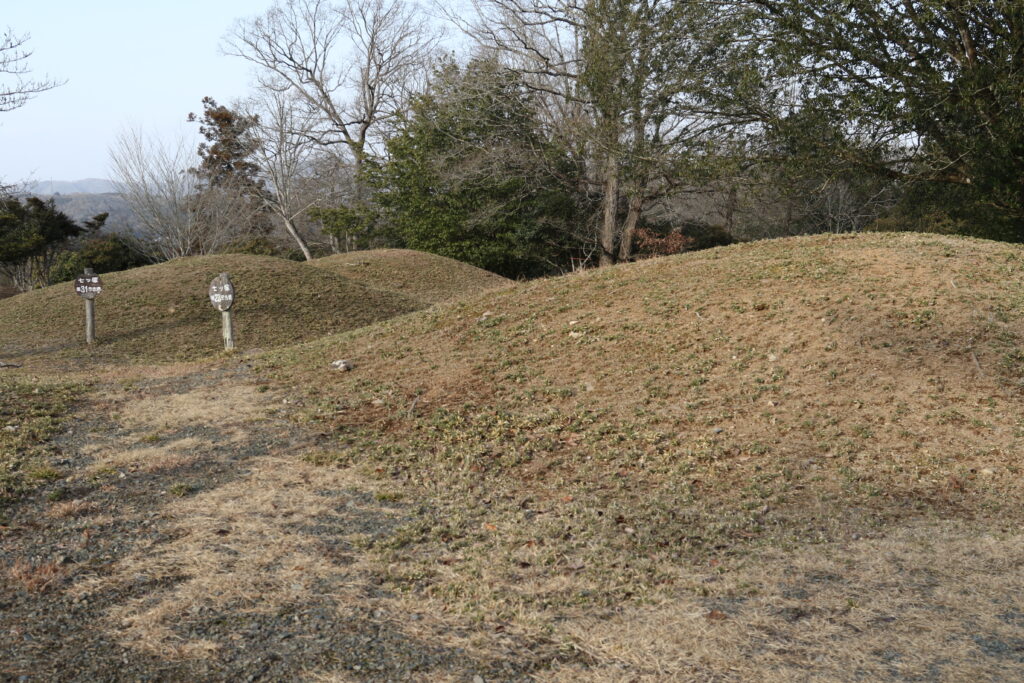
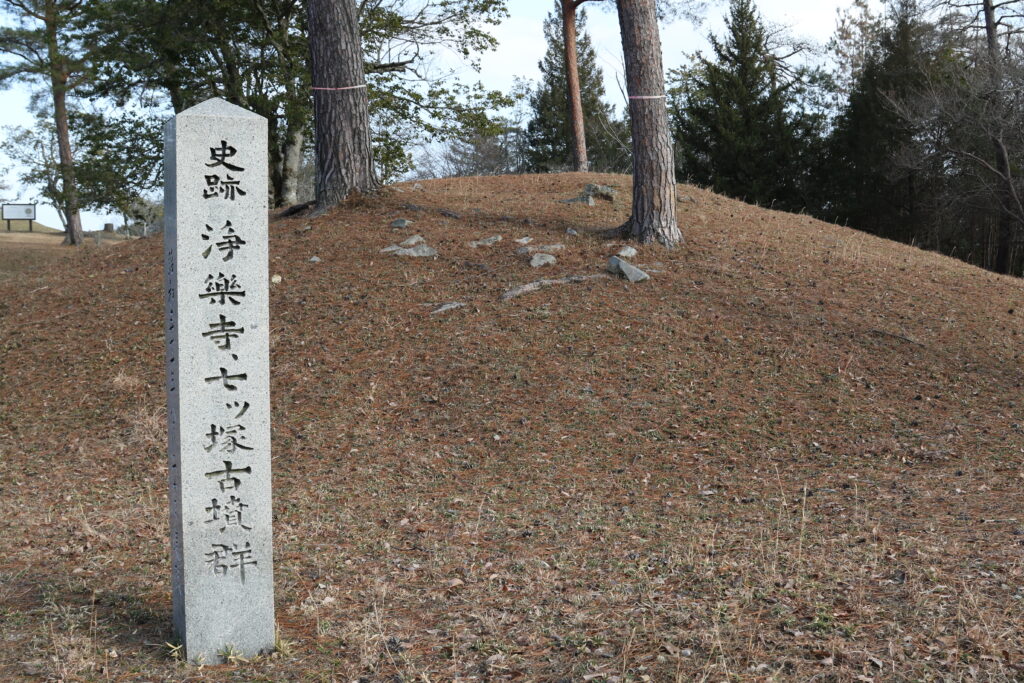
At first glance, these gentle hills appear to be part of the natural landscape.
Quiet, weathered, almost unremarkable.
Yet they are ancient burial mounds—tumulus graves built centuries ago for people of status and power.
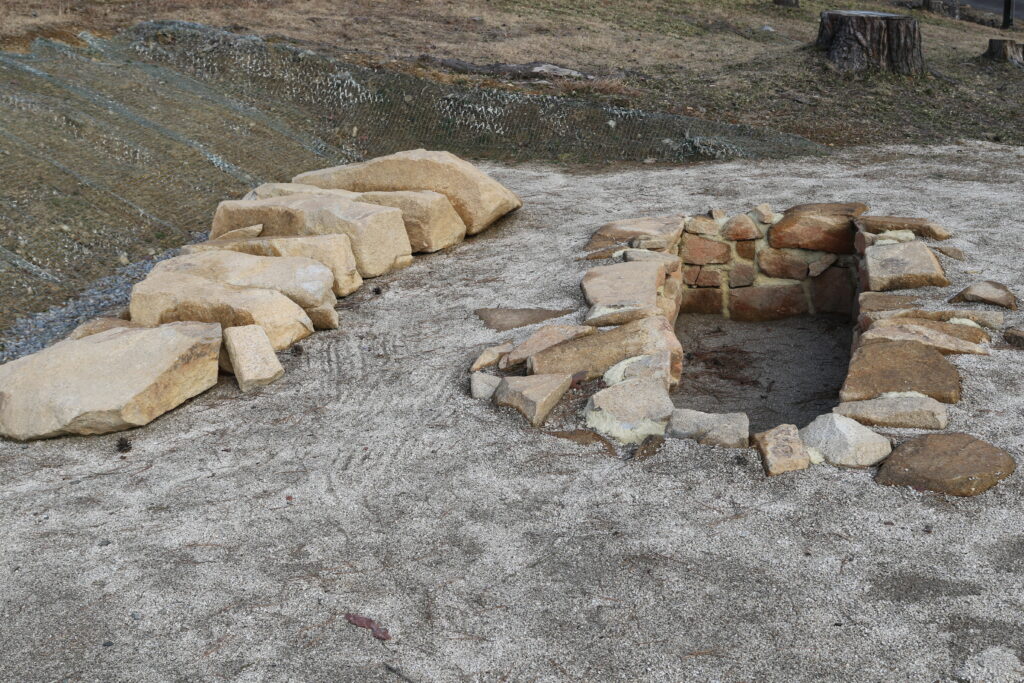
Hidden within these mounds were stone chambers, and inside them, stone coffins.
What they contained tells us how people once understood death.
More Than a Coffin
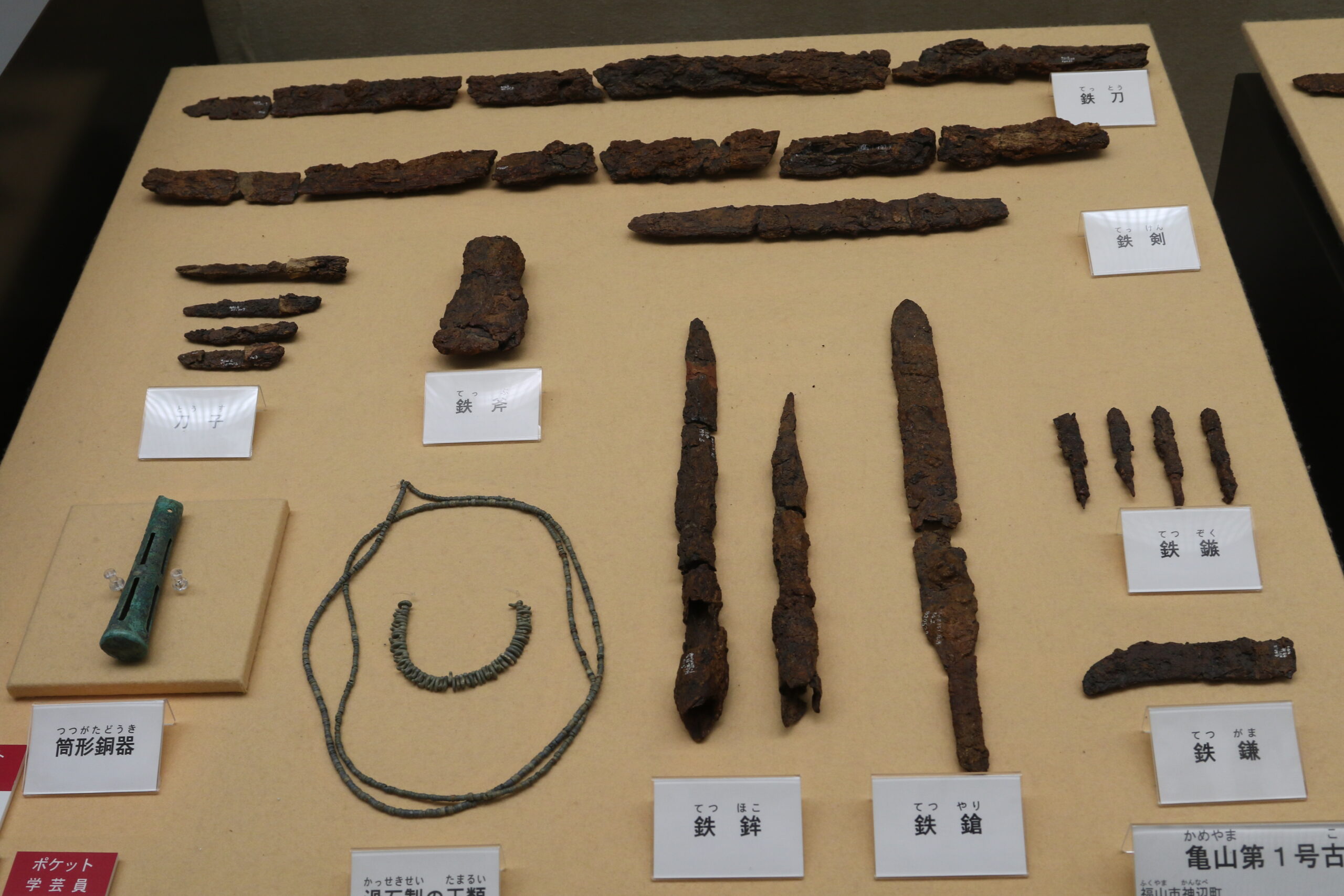
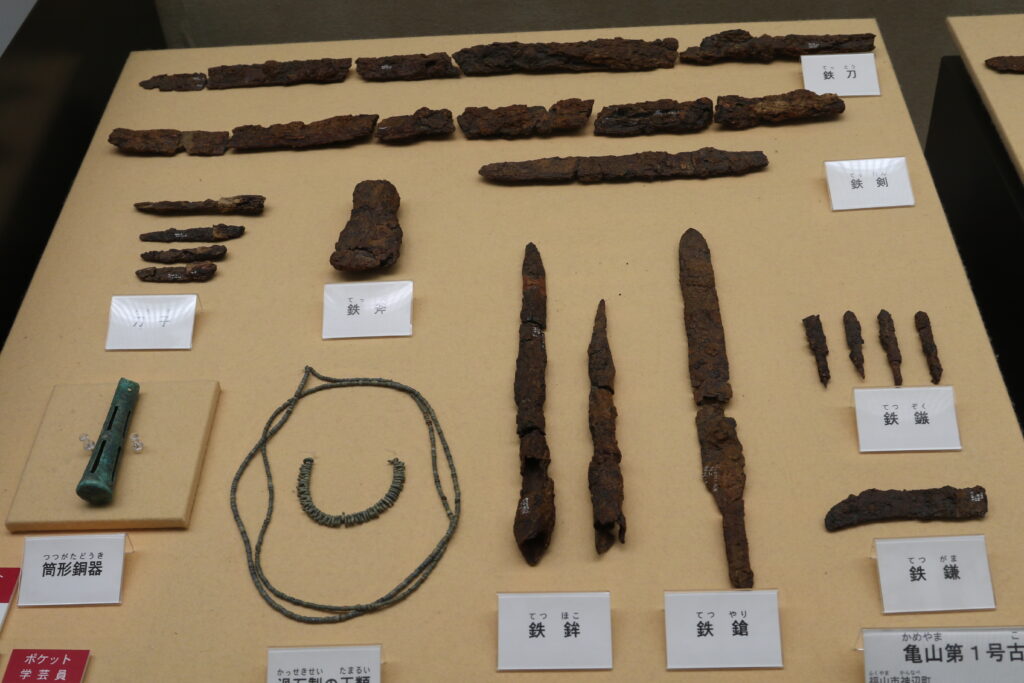
Inside the stone coffins, archaeologists have found iron swords, spearheads, arrowheads, and personal ornaments.
These were not placed there by accident.
The weapons had meaning beyond their practical use.
They represented authority, social role, and protection.
Even in death, identity mattered.
The stone coffin was not simply a container for a body.
It marked a threshold—a boundary between the world of the living and somewhere else.
Objects for a Journey
The presence of weapons and ornaments suggests that death was not seen as an ending.
It was a passage.
Just as travelers prepare before setting out, the dead were equipped with items that defined who they were.
These objects remained behind, heavy and silent, while something unseen was believed to move on.
Standing before these artifacts today, it feels as though we are looking at traces of a departure rather than a conclusion.
Where Did the Soul Go?
Outside the burial mound, the land opens into soft slopes and trees.
The silence is deep.
One cannot help but wonder:
Did the soul remain here, sealed within stone?
Or did it leave, traveling beyond the horizon?
The iron blades and tools remember the earth.
But the human imagination has always struggled to accept that everything ends there.
What Remains, and What Moves On
Stone, iron, and soil endure.
They stay where they were placed, resisting time as long as they can.
What does not remain is the story of movement—the belief that something lighter, something unseen, continued onward.
These burial mounds are quiet now.
Yet they still speak of a moment when death was understood not as disappearance, but as transition.
A journey that began here, among stone and earth, and continued somewhere beyond sight.