Shuttōgutsu: Ritual Shoes Worn by Buddhist Monks
When people think of traditional Japanese footwear, most imagine:
- Geta (wooden clogs)
- Zori (traditional sandals)
However, Japan has many lesser-known types of footwear that were used in specific cultural or religious contexts.
One of these is Shuttōgutsu.
Shuttōgutsu are ceremonial shoes believed to have been introduced to Japan from China during the Kamakura period along with Buddhist culture.
They were mainly worn by Buddhist monks during religious ceremonies and rituals.
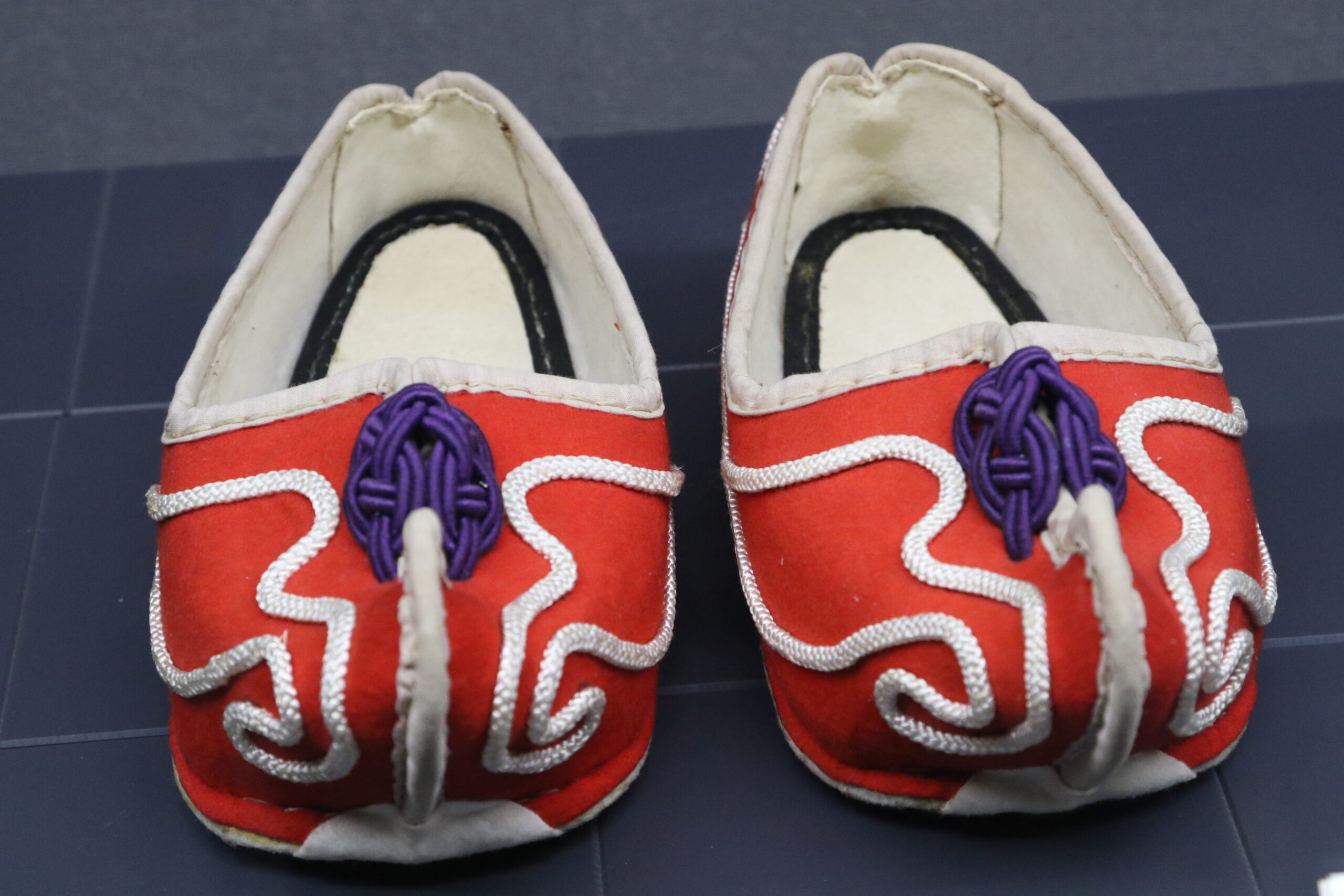
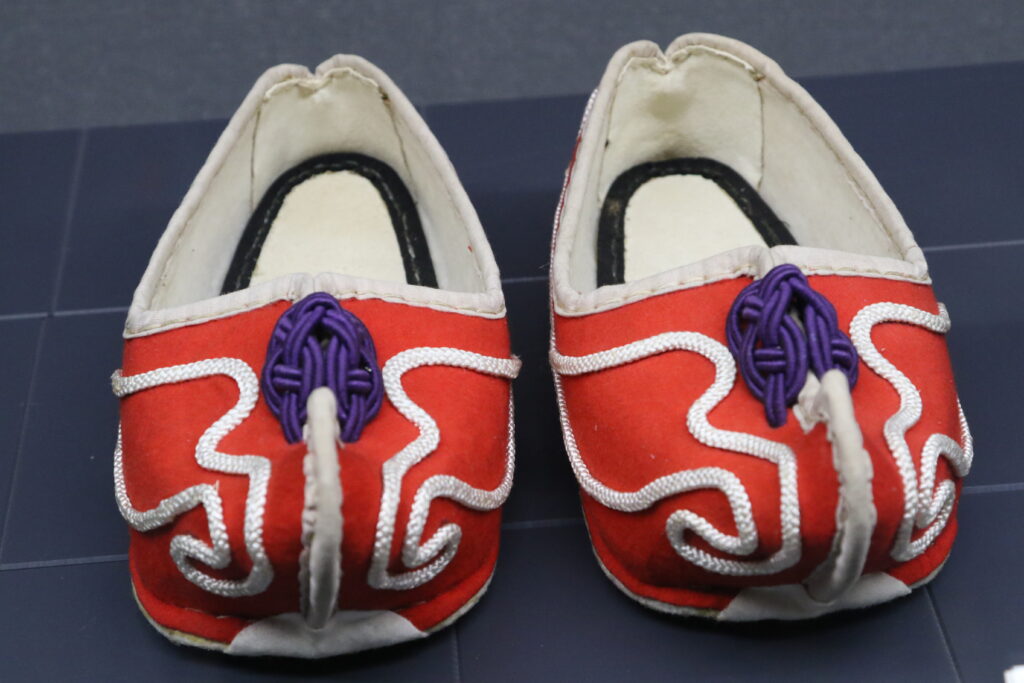
Their distinctive appearance features bright fabric and decorative cords.
What Kind of Footwear Is Shuttōgutsu?
Shuttōgutsu were used primarily in Buddhist ceremonial settings from the medieval period onward.
They were worn by monks during formal rituals and were not intended for everyday use.
Typical characteristics include:
- Brightly colored fabric covering
- Decorative cords and ornaments
- Soft, shoe-like structure
Unlike wooden geta or straw sandals, Shuttōgutsu were closer to a cloth-based shoe made from textiles and sometimes leather.
Footwear and Buddhist Culture
Japanese footwear culture developed through influences from China and the Korean Peninsula.
Shuttōgutsu are one example of this cultural exchange.
They were introduced along with Buddhism and became part of religious ceremonial attire used in temples and rituals.
Ancient Footwear Traditions Preserved Today
Today, Shuttōgutsu are no longer used as everyday footwear.
However, they can still be seen in museums and cultural exhibitions that showcase traditional Japanese clothing and historical artifacts.
They remind us that Japan’s footwear culture is far more diverse than just geta and sandals.