What a Taiko Drum Reveals About Japanese Culture
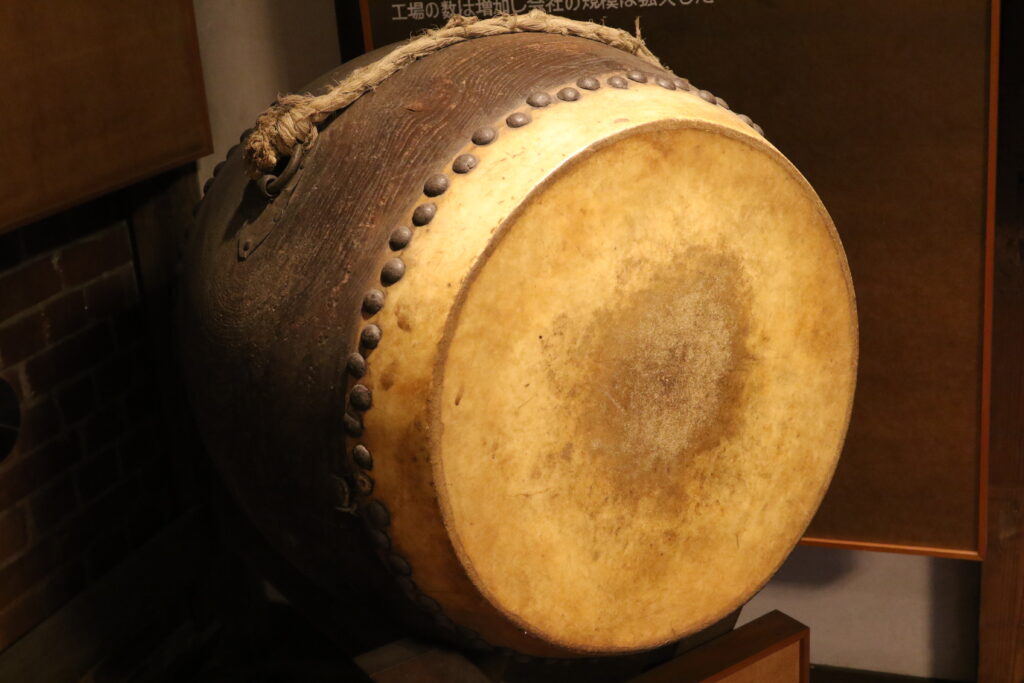
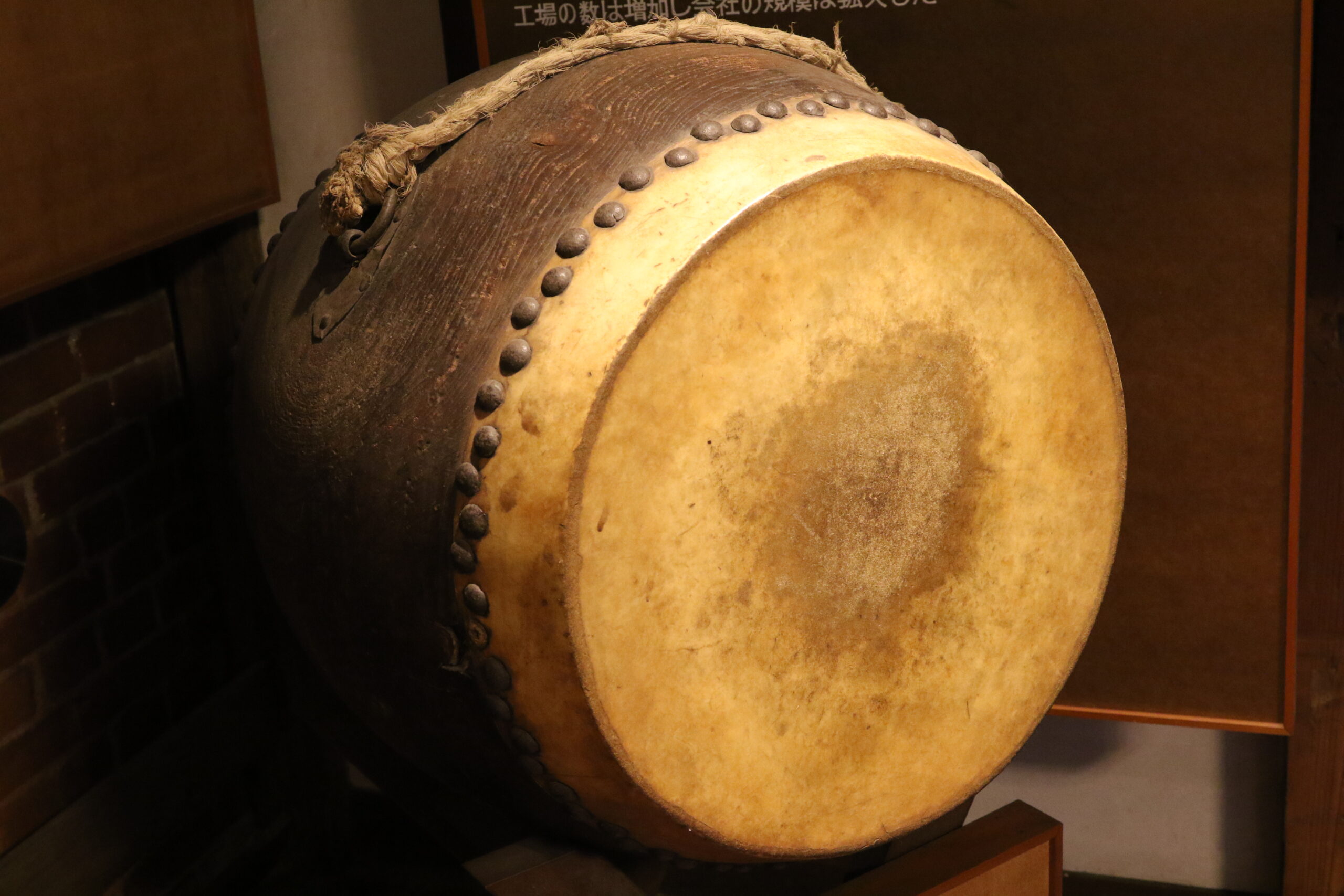
At first glance, this is just a drum.
Wood. Leather. Metal studs.
Nothing flashy. Nothing new.
And yet, within this single taiko drum lies a quiet but powerful story about Japanese culture.
More Than a Musical Instrument
In many parts of the world, drums exist to create rhythm and music.
In Japan, the taiko is something more.
It has been played at festivals, shrines, and ceremonies for centuries.
Its sound marks celebrations, calls people together, and sometimes carries prayers.
Taiko is not meant to be played alone.
It is performed with the whole body, often in groups, where timing, breathing, and movement must align.
In this way, taiko reflects a core Japanese value: harmony.
A Culture That Respects Time
Look closely at the drumhead.
The surface is worn, darkened at the center by countless strikes.
This is not damage. It is history.
In Japanese aesthetics, age is not something to hide.
Objects that show signs of use are respected because they carry memory.
This drum has absorbed sound, effort, and time.
Its value grows not despite its wear, but because of it.
Made From Nature, Returned to Sound
The body is wood.
The skin once belonged to a living animal.
Traditional instruments like this remind us that sound is born from nature.
Japanese culture has long emphasized coexistence rather than domination — using materials carefully, respectfully, and with gratitude.
When the drum is struck, nature speaks back as vibration.
Sound You Can Feel
Taiko is not quiet music.
Its deep tones travel through the air, the floor, and the body.
You don’t just hear it — you feel it in your chest.
This physicality is important.
Japanese performance often erases the boundary between performer and audience, between sound and space.
The drum does not ask for attention.
It commands presence.
A Quiet Object With a Loud Meaning
This photograph shows no performer.
No movement. No sound.
And yet, it feels ready.
That readiness — the tension before sound — is also part of Japanese culture.
An appreciation for silence.
For restraint.
For what is about to happen.
Sometimes, one object is enough to understand a culture.
Through a single taiko drum, we glimpse a Japan shaped by time, harmony, and sound — not as spectacle, but as lived experience.