Japanese Culture

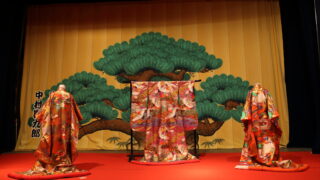
Onoza Theater (Okina-za): The Oldest Wooden Playhouse in Western Japan

Hidden in the historic town of Joge in Hiroshima Prefecture stands a remarkable cultural treasure — Onoza Theater (Okina...
Japanese Footwear

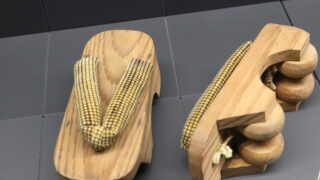
Strange Japanese Geta: Tea-Crushing Sandals and Roller Skate Geta

Japan is famous for traditional footwear called geta, wooden sandals worn with kimono.Most people imagine simple wooden ...
Places & Landscapes

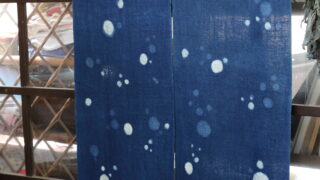
Aizome: Japan’s Indigo Born from Fermentation

Aizome: Japan’s Indigo Born from FermentationIn Japan, indigo is more than a color.It is the result of a slow fermentati...
Objects & Symbols

Yotsuya Simon at Shimose Art Museum, Japan — Angel Sculptures and His Kagawa Connection

Yotsuya Simon is one of Japan’s most distinctive doll artists, known for his spiritual and quietly unsettling figures. H...
Japanese Culture

Working with Water

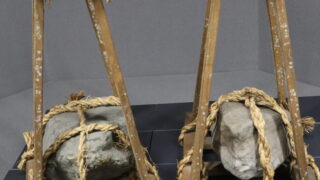
Anchoring the Body in Seaweed FarmingAt first glance, these do not look like footwear.They are wooden frames tied to hea...
Japanese Footwear

Not All Japanese Snow Is Powder

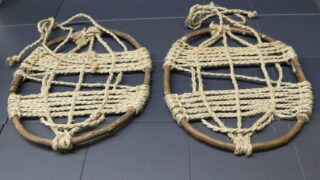
Subtitle: Climate Shapes the SoleWestern Japan: Walking on Wet SnowIn western Japan, snow is often wet and heavy.Tempera...
Japanese Footwear

Wearing Rice and Wearing Lacquer: Footwear and Social Hierarchy in Ancient Japan

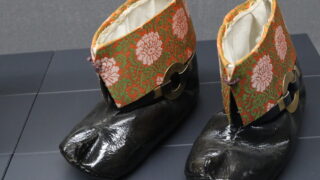
What did people wear on their feet in ancient Japan?For many overseas readers, the image is simple: straw sandals. Rough...
Japanese Culture

When Shoes Become Tools: The Straw Boots Used to Step on Hot Soybeans

Steam rises from freshly cooked soybeans.They are hot. Soft. Heavy.And someone must step into them.Not barefoot.Wearing ...
Japanese Footwear

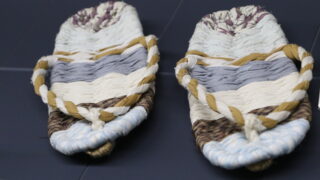
Walking on the Land: How Japanese People Made Footwear from What Grew Around Them

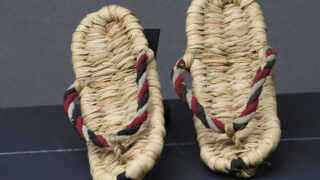
Modern shoes are industrial products.Rubber is synthesized, foam is engineered, leather is globally traded, and design i...
Japanese Footwear

Waragutsu: Straw Boots for Snow and Survival

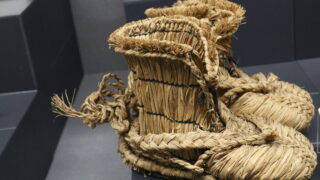
When Sandals Were Not EnoughIn much of Japan, straw sandals were sufficient for daily life. But in colder regions, espec...