Subtitle: Climate Shapes the Sole
Western Japan: Walking on Wet Snow
In western Japan, snow is often wet and heavy.
Temperatures fluctuate around freezing, and moisture remains in the air.
Walking here is not about floating lightly above powder.
It is about controlled sinking — pressing, stabilizing, compacting the path.
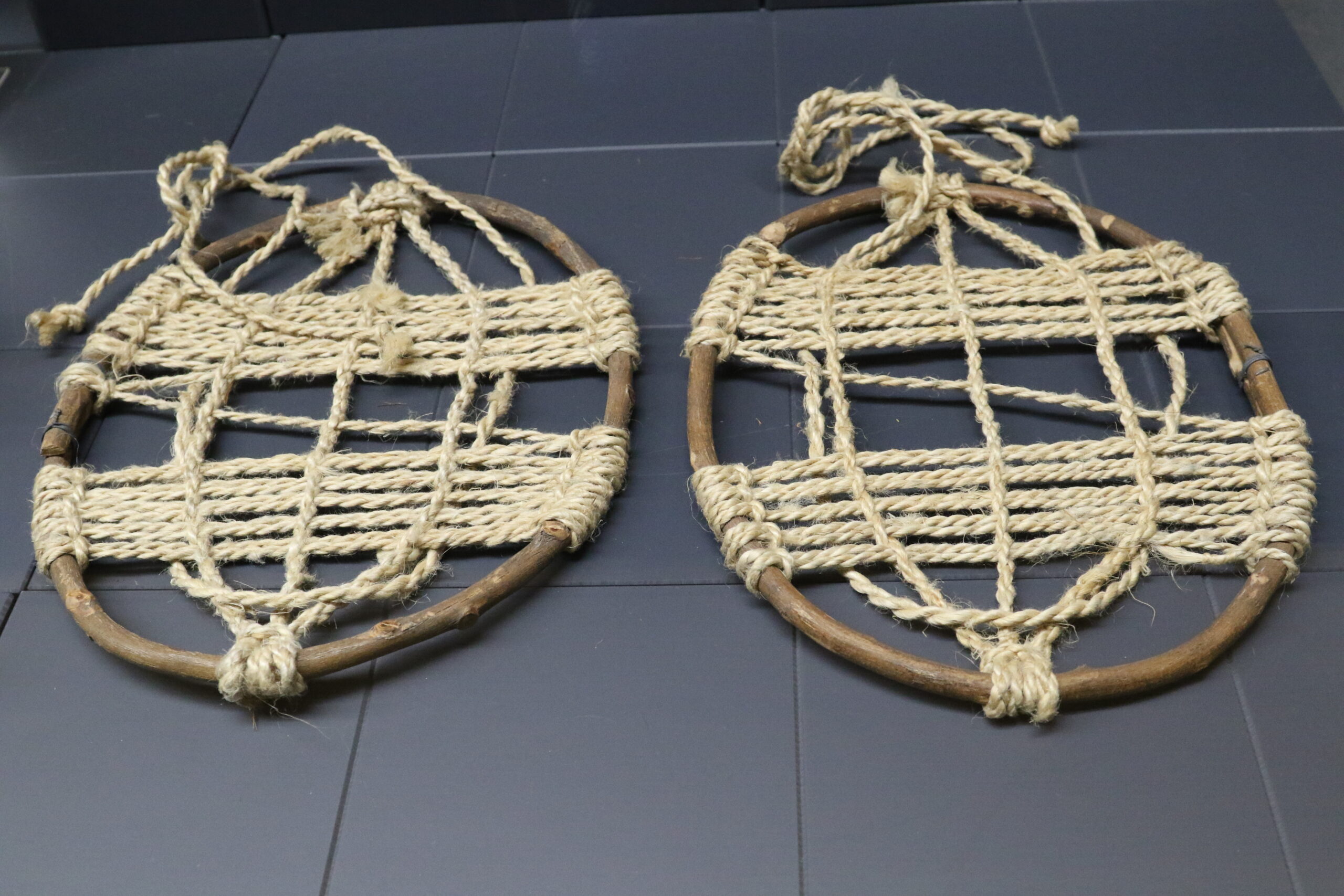
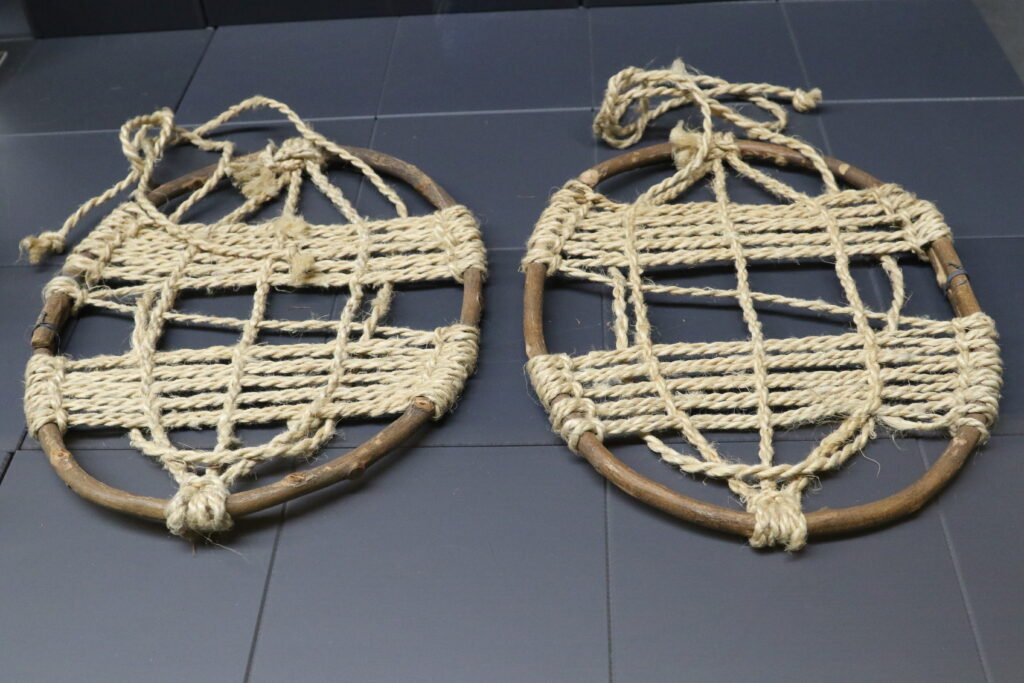
The circular kanjiki distributes weight without fully lifting the body away from the ground.
It allows contact, resistance, and balance.
This is footwear designed not just to move across snow,
but to negotiate with it.
Hokkaido: Surviving Deep Powder
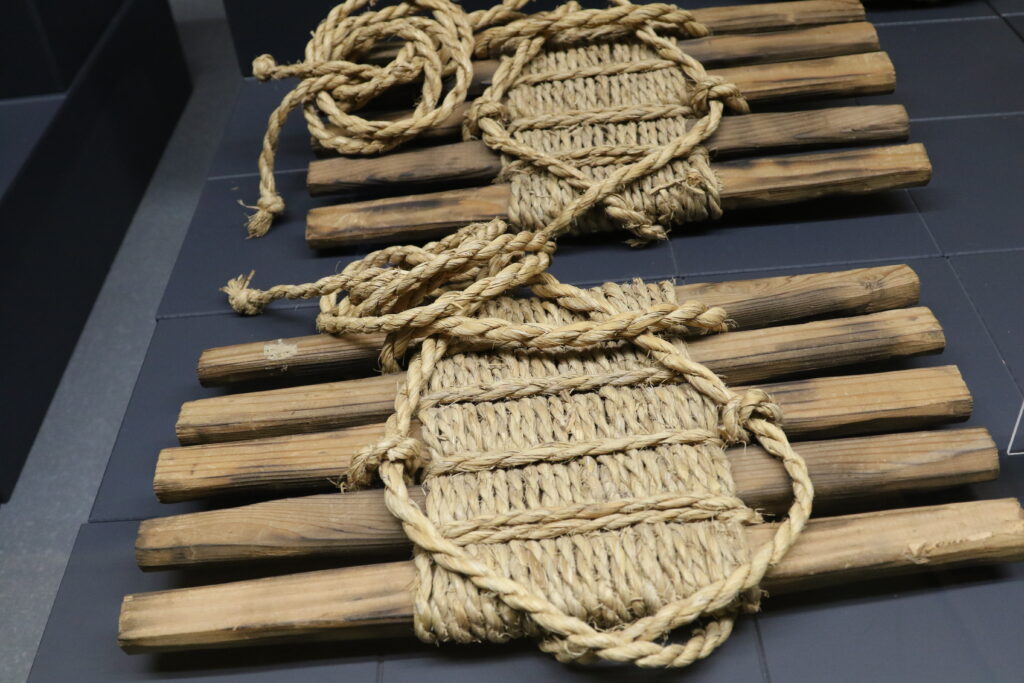
In northern Japan, especially Hokkaido, snow is dry and light.
The cold continental climate produces deep powder layers.
Here, flotation becomes essential.
Without sufficient surface area, each step collapses into depth.
Wider snow footwear increases lift and reduces energy loss.
The priority shifts from compaction to survival in depth.
This is engineering shaped by extreme conditions.
Conclusion
Japan is often imagined internationally as a land of perfect powder snow.
But even within one country, snow behaves differently.
And when snow changes, footwear changes.
These objects are not simply traditional tools.
They are environmental intelligence —
crafted responses to specific climates.
The ground shapes the sole.
Climate shapes culture.