kurosuke_wp

Japanese Culture

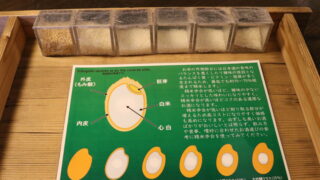
Where Sake Begins: Rice Polishing

Where Sake Begins: Rice PolishingBefore yeast ferments and before koji transforms starch into sugar, sake is already tak...
Japanese Culture
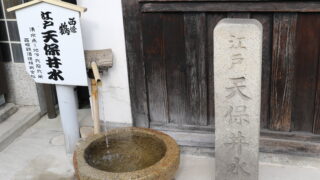
Edo Tenpō I-sui (江戸天保井水)

In Japan, every sake brewery relies on its own unique brewing water (shikomi-mizu).The mineral balance of this water—sof...
Japanese Culture

Why Sake Labels Look Like Art (And Sometimes Are)

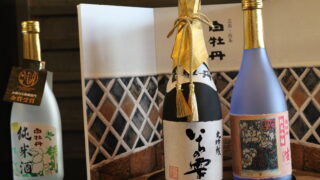
The First Thing You Notice Is the LabelWhen you pick up a bottle of sake,you probably don’t read the words first.You loo...
Japanese Culture

Sake for Absolute Beginners

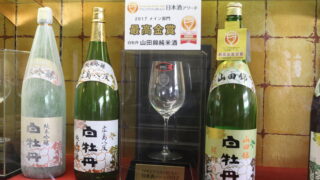
A Gentle Introduction from a Quiet Town in JapanWhat Is Sake, Really?Many people think sake is just “Japanese wine.”It’s...
Objects & Symbols

A Chair That Remembers Silence

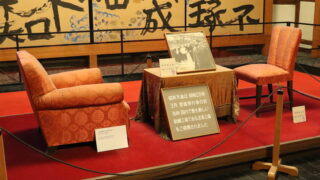
An Object from Japan’s Postwar MomentAt first, it looks ordinary.Two chairs.A small table.Nothing grand. Nothing ceremon...
Objects & Symbols

When Walls Become Canvas

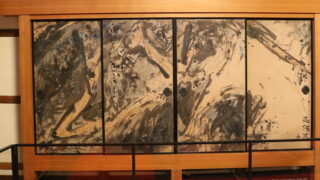
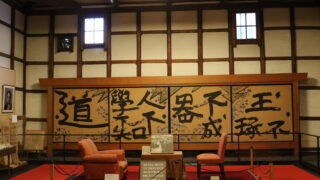
Munakata Shiko and the Courage to Paint a RoomYou don’t expect this inside a building.Not inside sliding doors.Not insid...
Objects & Symbols

Words That Refuse to Stay Silent

Munakata Shiko’s Fusuma Paintings in KurashikiAt first, you don’t try to read them.You simply stand in front of the pane...
Objects & Symbols

The Soul of Japan in a Single Drum

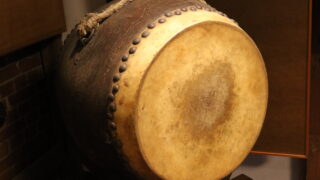
What a Taiko Drum Reveals About Japanese CultureAt first glance, this is just a drum.Wood. Leather. Metal studs.Nothing ...
Yokai

Were Kimono with Yōkai Designs Made Only for Display?

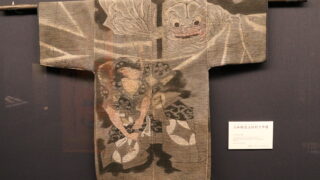
At first glance, kimono decorated with yōkai (Japanese supernatural beings) may look like purely decorative or ceremonia...
Objects & Symbols

The Art of Hagoita: Traditional Japanese Decorative Dolls

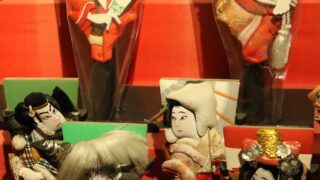
Japanese traditional crafts often reflect seasonal customs, symbolism, and meticulous handwork.One such example is Hagoi...