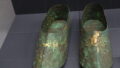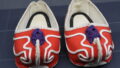
Japan has many traditional types of footwear such as 下駄 (geta) and 草履 (zori).
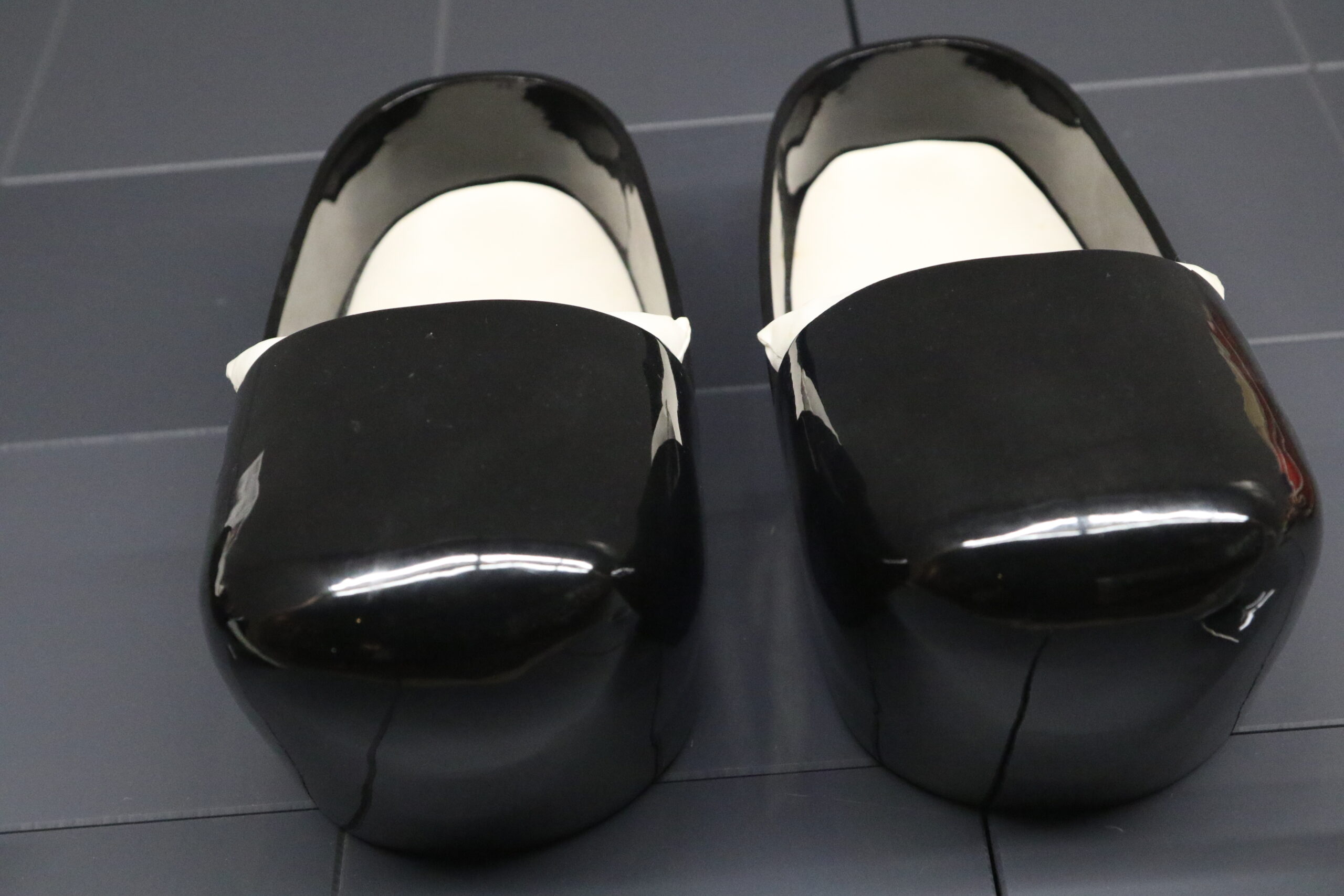
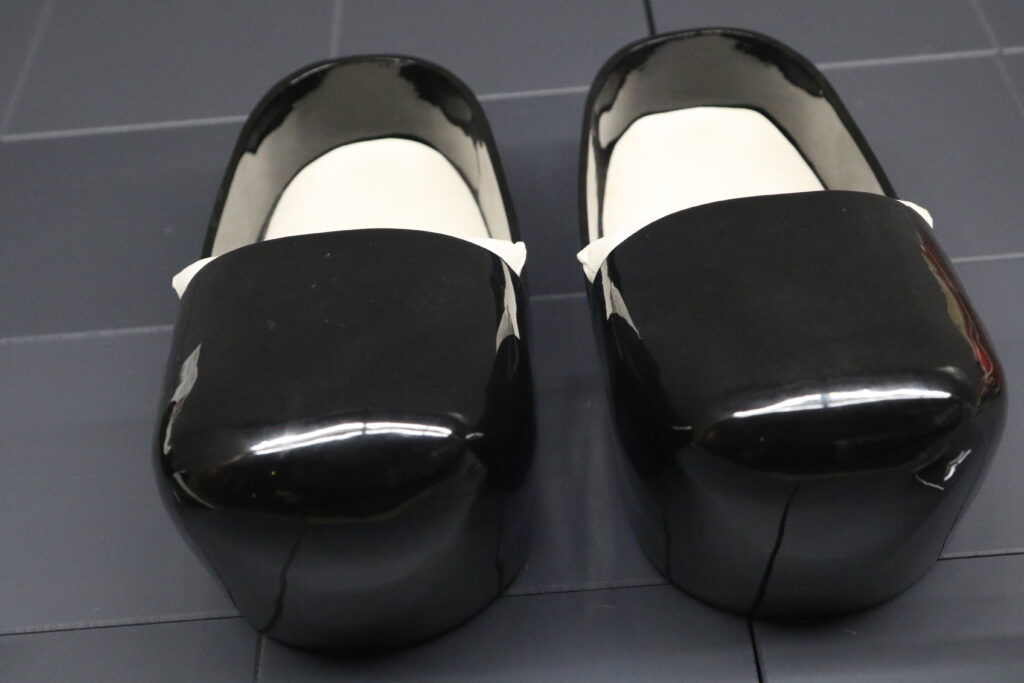
However, long before these became common, ancient Japan had another unusual type of footwear known as 鼻高沓 (Hanadaka-gutsu).
These shoes look very different from modern footwear.
With their high wooden base and simple structure, they almost resemble ritual footwear rather than everyday shoes.
So what exactly were Hanadaka-gutsu, and who wore them?
What Are Hanadaka-gutsu?
Hanadaka-gutsu literally means “high-nosed shoes.”
The name comes from the raised front shape of the footwear.
They were typically made from wood and lacquered in black, giving them a glossy ceremonial appearance.
Unlike modern shoes, they did not fully wrap the foot.
Instead, the wearer placed their foot inside the upper structure, allowing the raised base to lift the wearer above the ground.
This elevated design may have helped keep the feet clean when walking outdoors.
Who Wore These Shoes?
Hanadaka-gutsu were not ordinary footwear.
They were mainly associated with elite or ceremonial use in ancient Japan.
Historical sources suggest that similar elevated shoes were worn by:
- nobles and court officials
- people involved in rituals
- individuals connected with temples or ceremonial events
In other words, they were probably symbols of status and formality, rather than practical daily shoes.
A Connection to Ancient East Asia
Interestingly, elevated wooden footwear also appeared in other parts of East Asia.
Ancient Chinese court dress sometimes included special ceremonial shoes, and cultural influences between China and Japan were strong during early historical periods.
Because of this, Hanadaka-gutsu may reflect continental influences on early Japanese court culture.
Early Forms of Japanese Footwear
When discussing traditional Japanese footwear, many people immediately think of geta or zori.
But footwear in Japan evolved over centuries.
Early forms such as Hanadaka-gutsu show that Japanese footwear culture once included high ceremonial shoes, quite different from the simple sandals that later became popular.
Over time, more practical footwear like straw sandals and wooden geta replaced these earlier forms.
Why These Shoes Are Fascinating Today
Today, Hanadaka-gutsu are rarely seen outside museums and historical displays.
Yet they provide a glimpse into how people in ancient Japan dressed, walked, and expressed social status.
For those interested in traditional Japanese culture, they are a reminder that even something as simple as footwear can reveal surprising details about history.