Traditional Footwear, Folk Culture, and Everyday Japan
The Matsunaga Footwear Museum introduces the long history of footwear in Japan, from traditional straw sandals to modern sports shoes.
The museum also displays folk toys, masks, and cultural items from different regions of Japan and overseas.
Although the museum is not very large, it contains many unique exhibits that show everyday life and traditional culture.
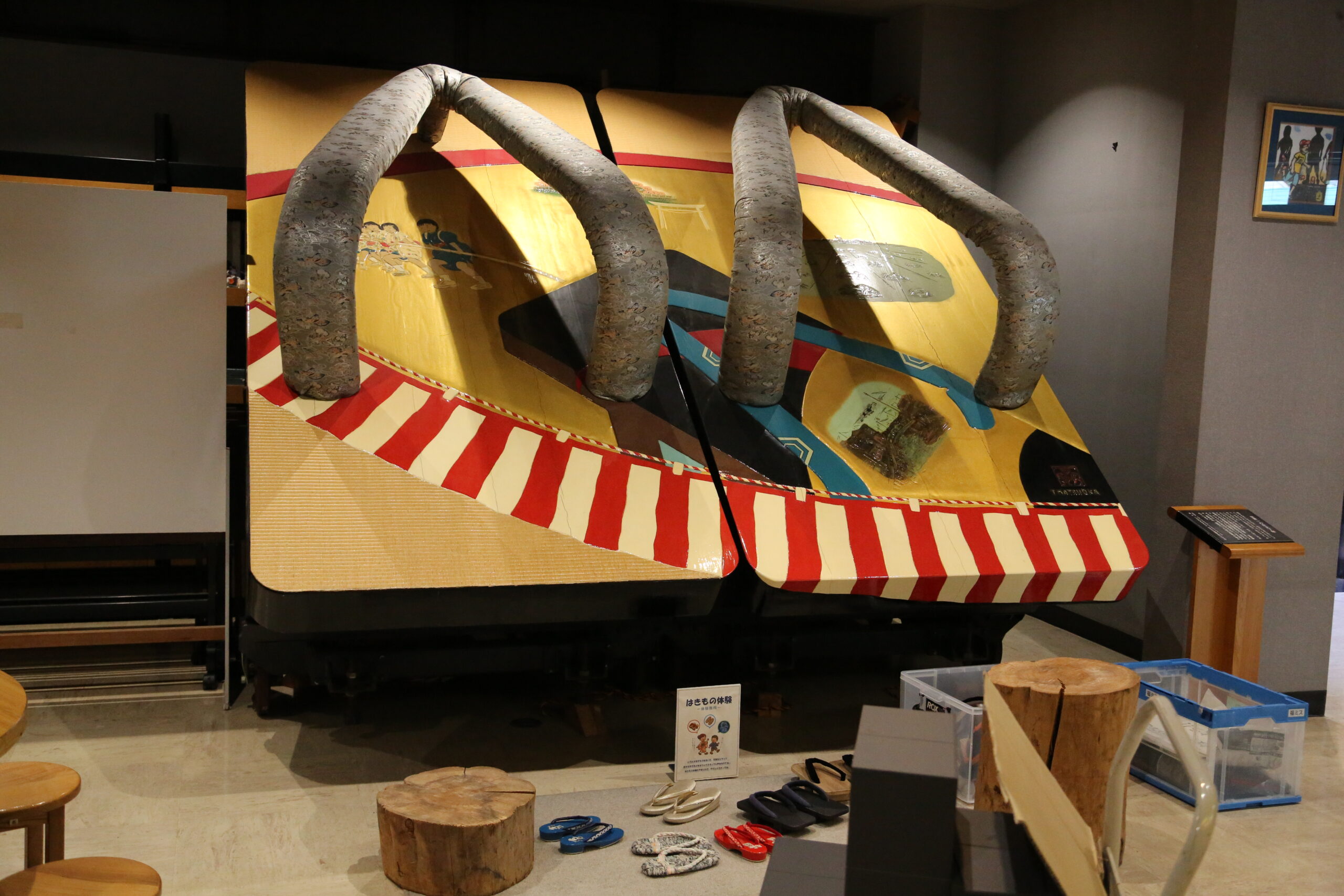
A giant traditional sandal displayed inside the museum.
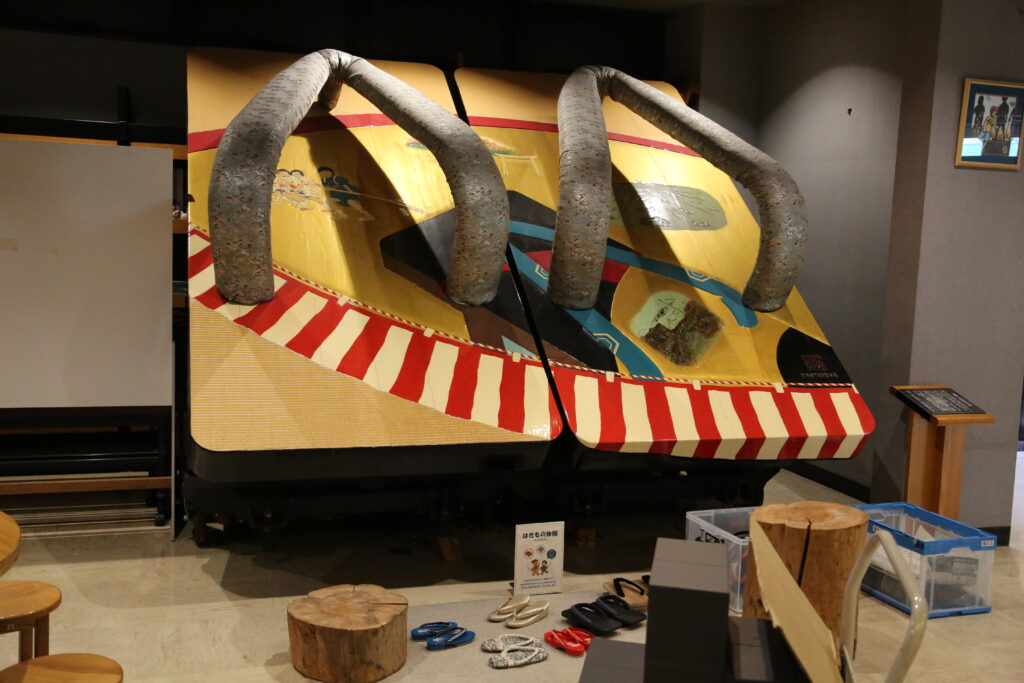
One of the most eye-catching exhibits is a giant traditional sandal.
Visitors can also learn how Japanese footwear was made in the past using straw, wood, cloth, and natural materials.
These displays show how closely footwear was connected to daily life in old Japan.
Traditional straw sandals connected to marriage customs.
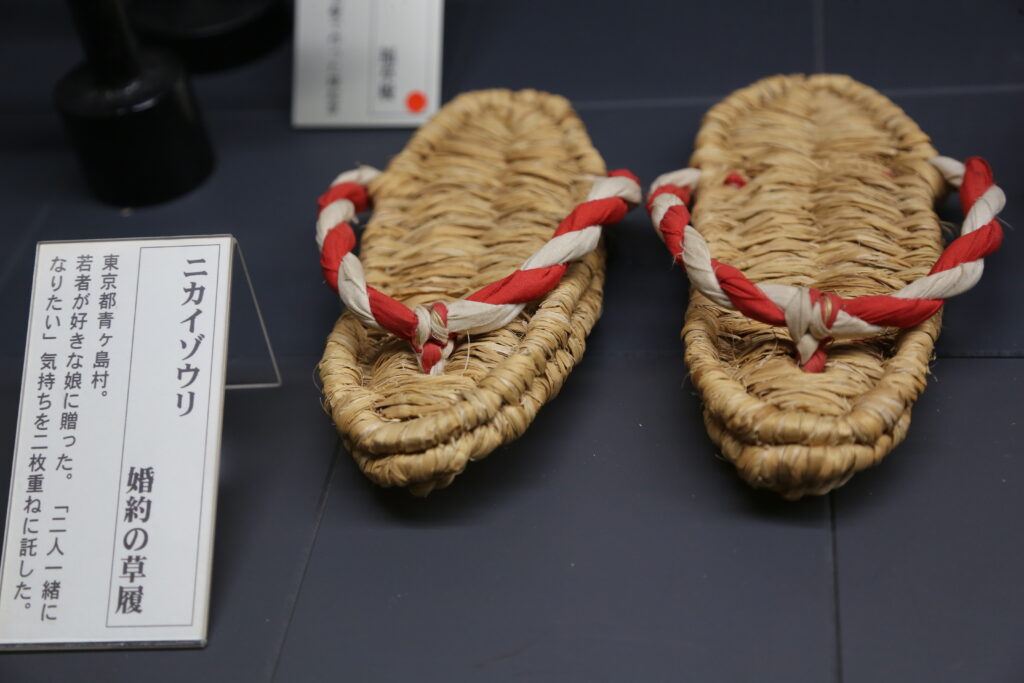
Some exhibits explain traditional customs and local culture.
These straw sandals were connected to old marriage traditions, showing how footwear also carried symbolic meaning beyond practical use.
Japanese folk masks and Daruma dolls on display.
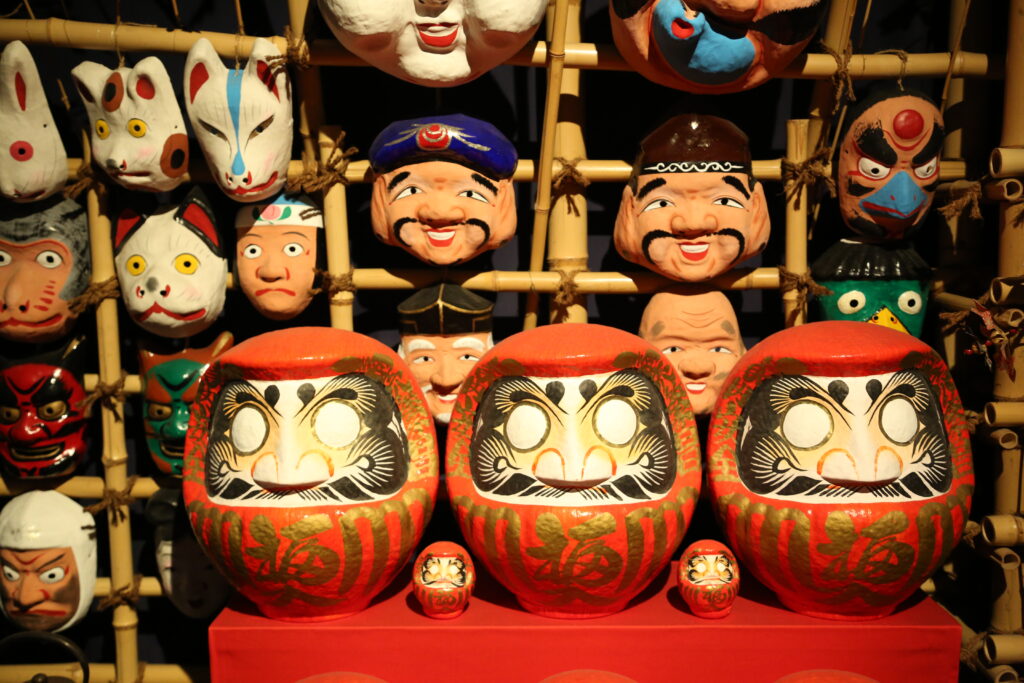
The museum also has a collection of Japanese folk toys and masks from different regions.
Colorful Daruma dolls, fox masks, and traditional festival items create a lively atmosphere inside the exhibition space.
These displays help visitors experience another side of Japanese folk culture.
Inside the exhibition hall of the museum.
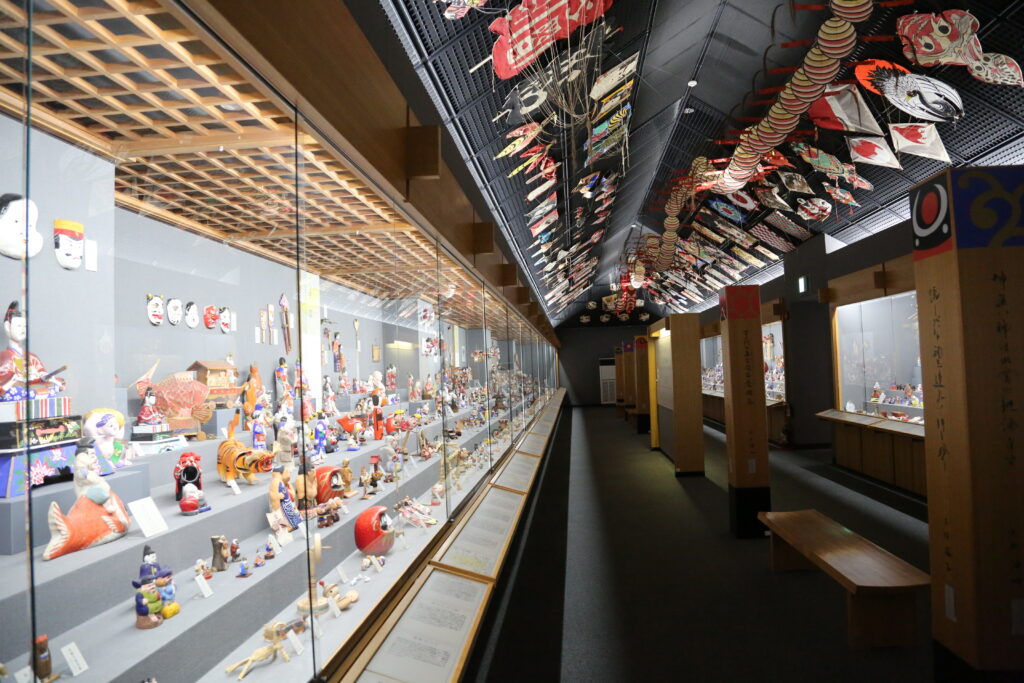
The exhibition hall contains a surprisingly large number of items, ranging from traditional footwear to toys and crafts from Japan and overseas.
The quiet atmosphere allows visitors to slowly enjoy the displays at their own pace.
Photography is generally allowed inside the museum, making it enjoyable for travelers who like cultural photography.
However, photography is prohibited in the memorial exhibition area related to former Japanese Prime Minister Kiichi Miyazawa.
Why Visit?
- Unique museum dedicated to footwear culture
- Easy access from Matsunaga Station
- Quiet local atmosphere
- Folk culture and traditional crafts
- Photography allowed in most areas
- Good side trip from Hiroshima or Fukuyama