Japan is famous for traditional footwear called geta, wooden sandals worn with kimono.
Most people imagine simple wooden sandals with two teeth and a cloth strap.
However, Japan also created some very unusual versions of geta.
may never have been widely used.
Here are two fascinating examples.
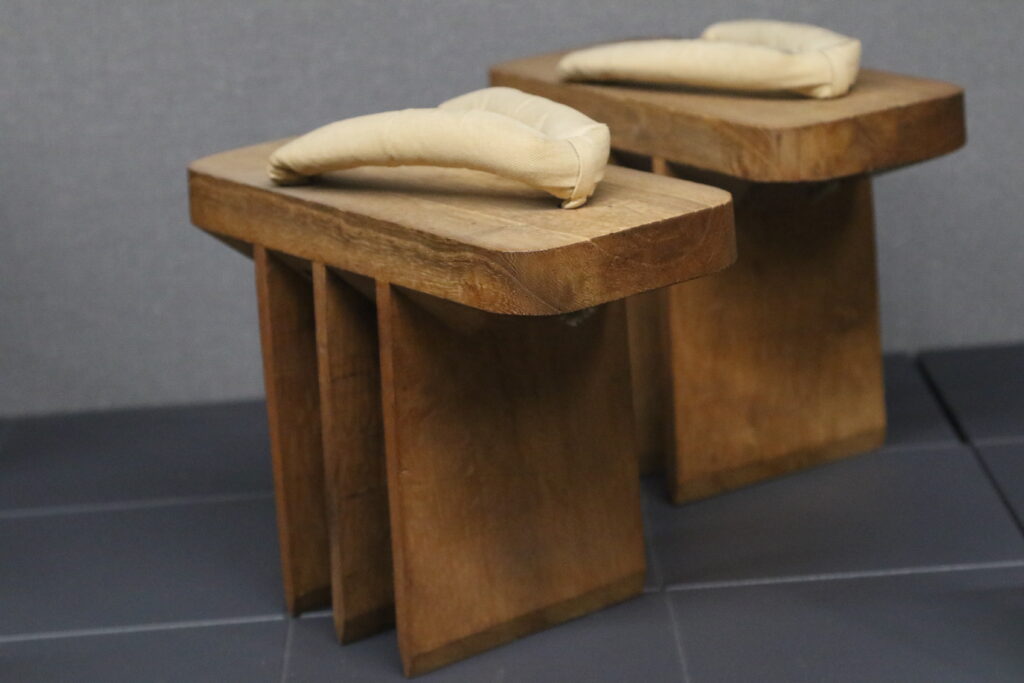
These unusual geta were used in tea production.
Workers crushed tea leaves with the teeth of the geta while walking on them.
By stepping repeatedly on the leaves, the pressure helped break them down during processing.
This may look strange today, but it reflects a clever idea:
turning footwear into a simple agricultural tool.
In traditional Japanese crafts and farming, people often created tools that were simple, efficient, and easy to use with the body.
These geta are a good example of that practical ingenuity.
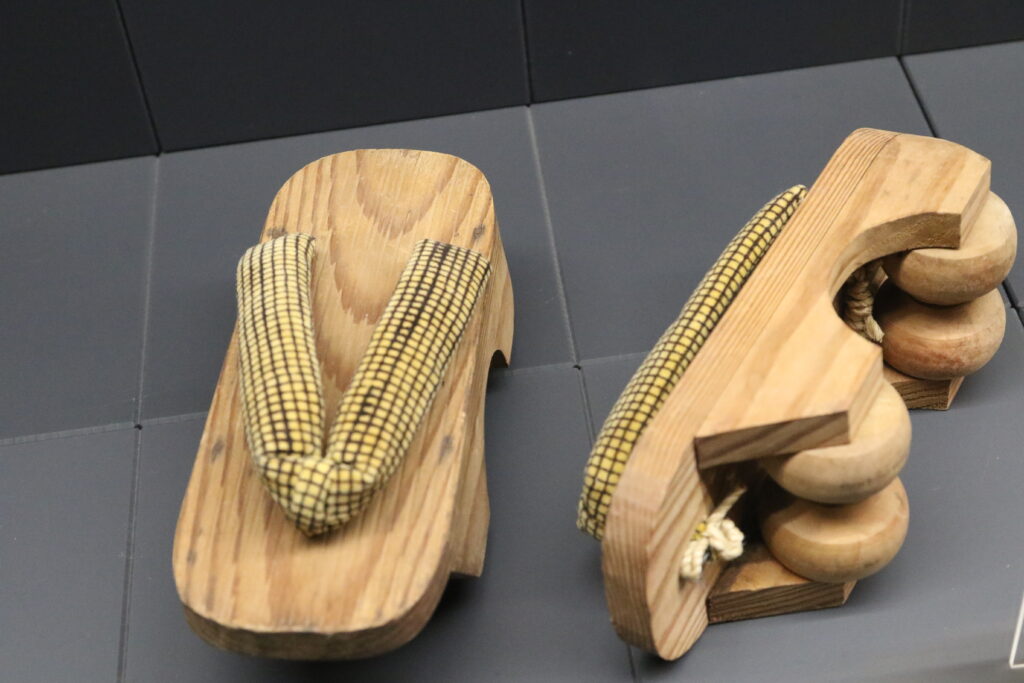
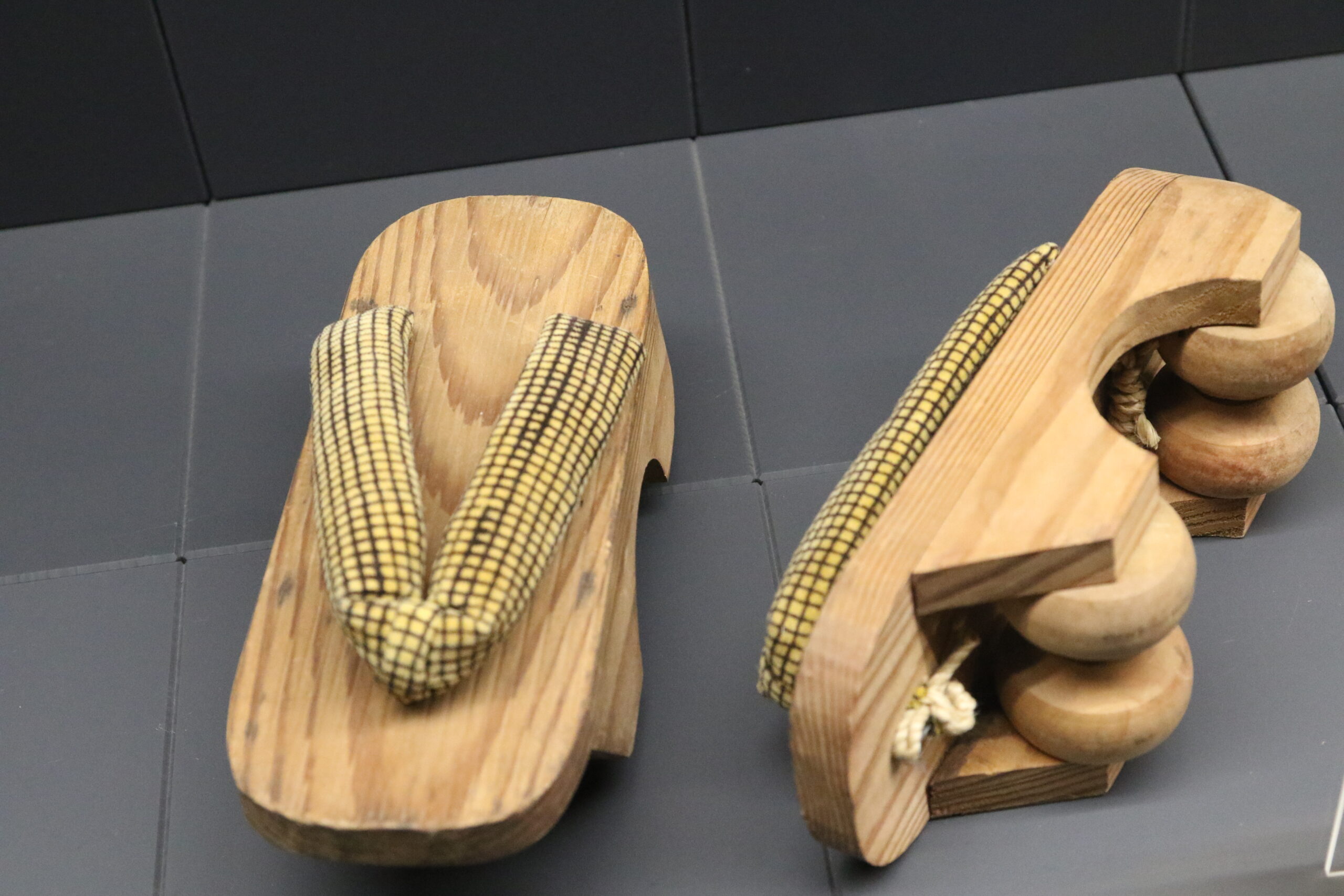
This strange invention looks like something between geta and roller skates.
Instead of the usual wooden teeth, wheels are attached to the bottom.
It is unclear whether these were ever widely used.
Considering that many roads in Japan were unpaved in the past, using them outdoors would have been very difficult.
They may have been an experimental invention, a novelty item, or simply a curious idea.
Either way, they show how people sometimes experimented with traditional designs in unexpected ways.
Traditional geta are simple and practical, but history also produced many unusual variations.
From tea-processing tools to experimental roller sandals, these examples remind us that even traditional items can inspire surprising creativity.