A Small Japanese Ritual Called Setsubun
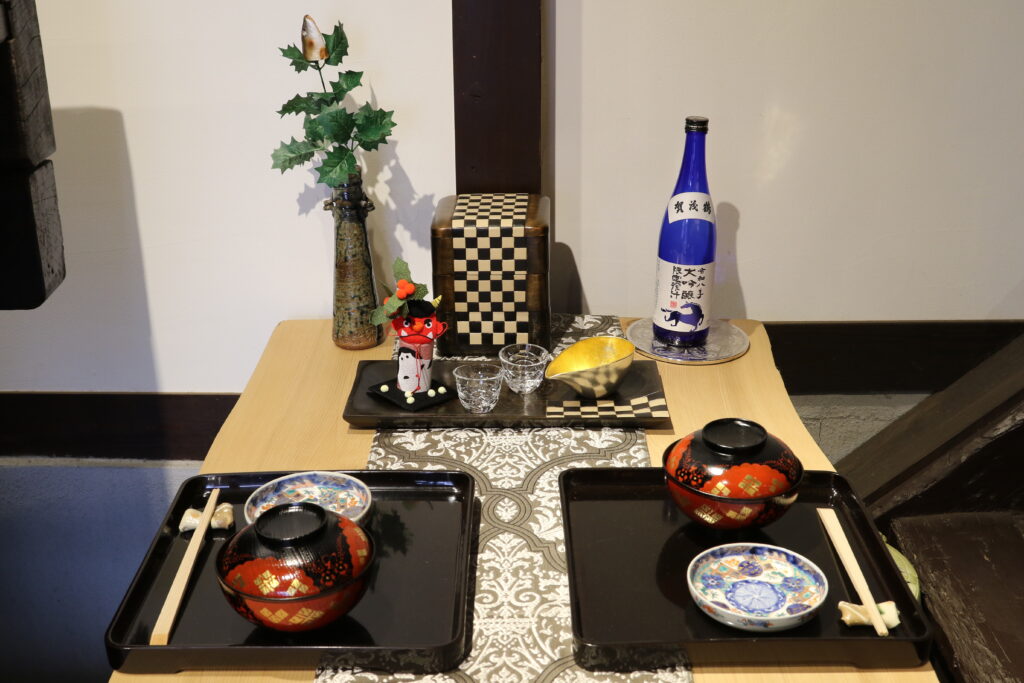
Before brewing sake, there is something we do in Japan that may seem strange at first.
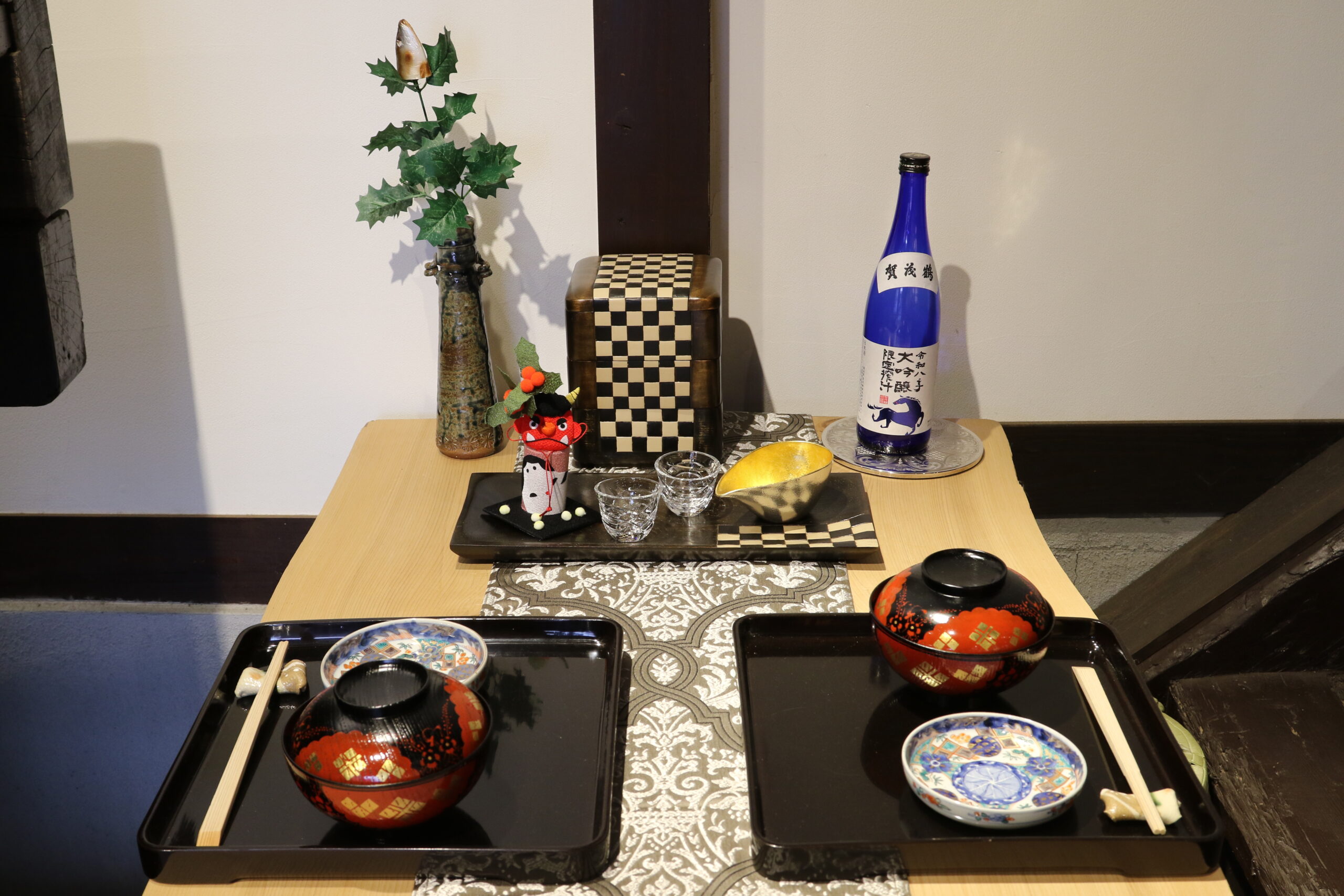
We place a branch of holly with sharp leaves (hiiragi), and the head of a dried sardine (iwashi), near the entrance of a house or workspace.
This custom is called Setsubun, a seasonal ritual marking the boundary between winter and spring.
At first glance, it looks symbolic or even superstitious.
But the logic behind it is surprisingly simple.
Why a Thorny Leaf and a Fish Head?
The holly leaf hurts when touched.
The sardine head has a strong, unpleasant smell.
The idea is not religious doctrine or abstract belief.
It is based on a very human assumption:
Unwanted things avoid places that are painful and smell bad.
In traditional Japanese thinking, this is how you draw a boundary.
You clearly say: “This side is not for you.”
Brewing Sake Is Also About Boundaries
Sake brewing is fermentation.
And fermentation is a dialogue with microorganisms.
Some microorganisms are welcome.
Others must be kept out at all costs.
Japanese brewers have understood this distinction for centuries.
Before we invite the right microorganism,
we first define what should not enter.
Setsubun expresses this mindset perfectly.
From Keeping Things Out to Inviting the Right One
After the boundary is set, we begin brewing.
And then, we do the opposite of rejection.
We carefully invite a specific mold that Japan has cultivated over generations.
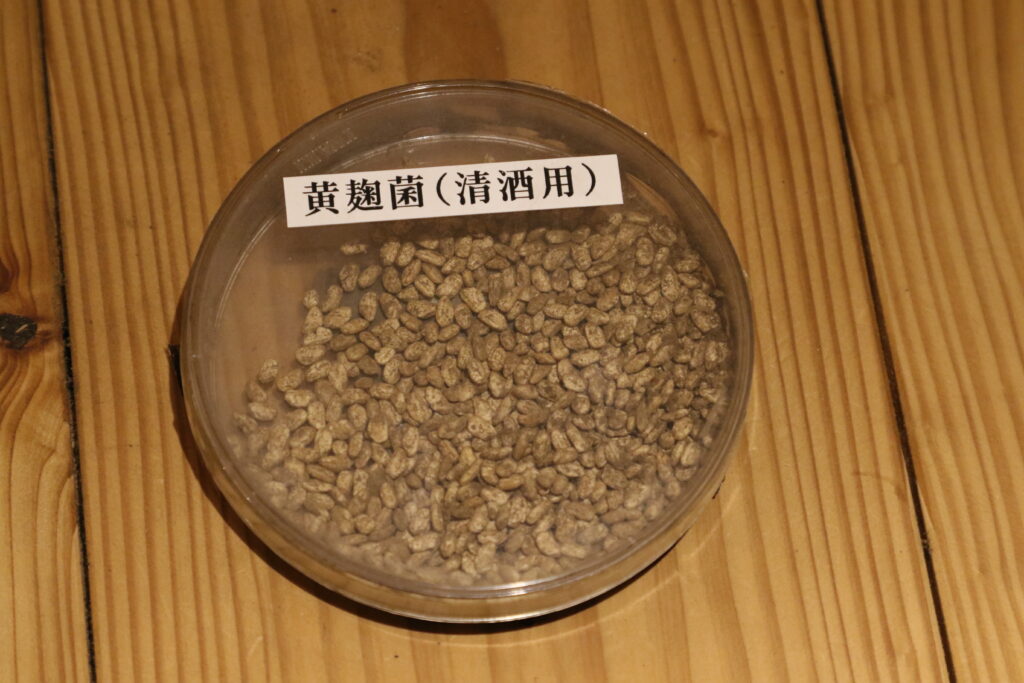
This is yellow koji mold, used exclusively for sake.
Unlike the sardine head and holly,
this microorganism is treated with respect and precision.
Temperature, humidity, timing —
everything is adjusted to make it feel at home.
Japanese Fermentation Culture in One Contrast
The thorny leaf and fish head represent exclusion.
Koji mold represents invitation.
Together, they describe the essence of Japanese fermentation culture:
- Be clear about what you reject
- Be meticulous about what you welcome
Sake is not simply made by adding yeast to rice.
It is created by controlling boundaries — visible and invisible.
A Quiet Philosophy Before the First Drop
Before the first grain of rice becomes koji,
before fermentation begins,
we prepare the space.
Not with words,
but with smell, texture, and intent.
That is why a thorny leaf and a fish head
still belong in the story of modern sake.